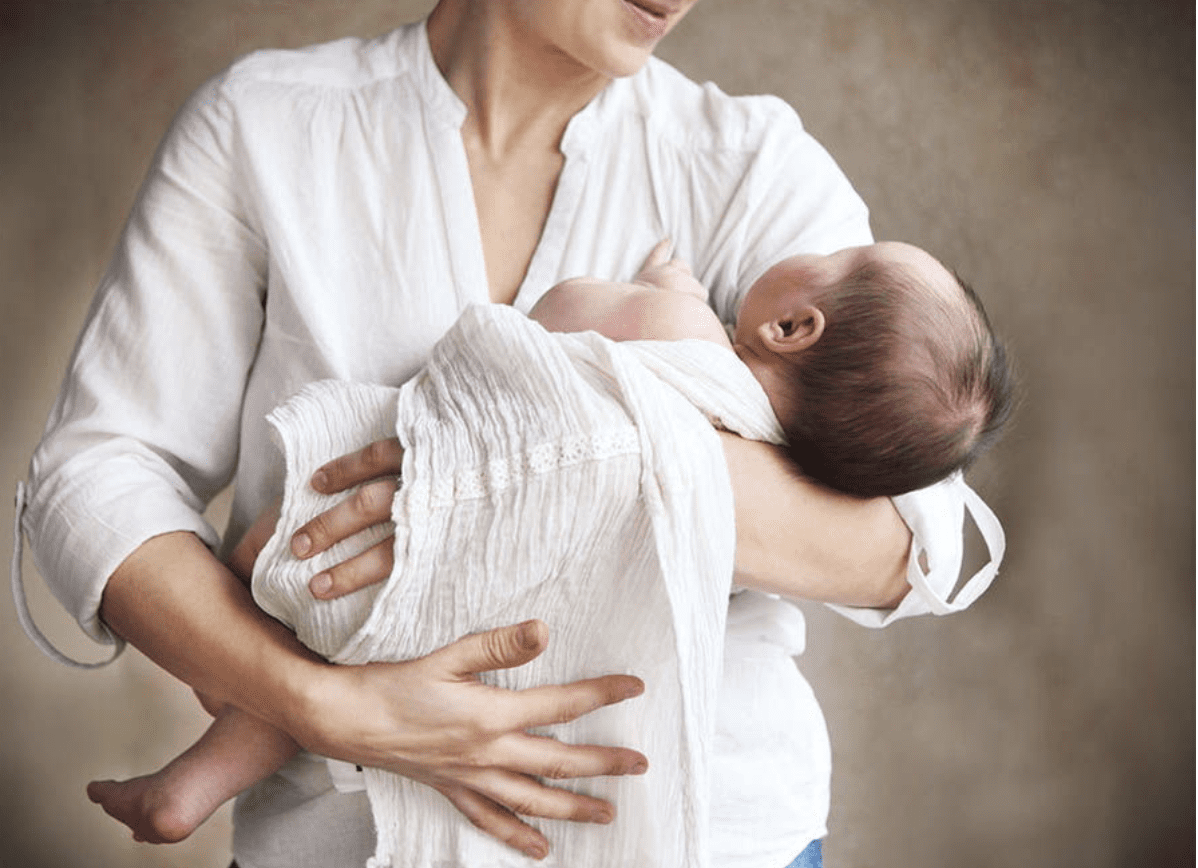

For decades, the Grace Hospital was Calgary’s primary maternity hospital. Founded by The Salvation Army in 1926, it began as a small facility helping pregnant, unmarried women. Over time, it grew into one of Calgary’s key medical centres for women. The “Grace” closed in 1996, but the site still provides care for new mothers and their babies. In this article on icalgary, we’ll explore the history of this legendary hospital.
History of the Hospital
In 1926, The Salvation Army opened the “Grace” maternity home and home for girls. The initial focus was on unmarried mothers, but the high quality of care soon led to demand from married women as well. The hospital was constantly overflowing, so in 1954, a new west wing was opened, providing space for additional community services and staff residences.
In 1958, another floor was added to the west wing, and a separate building was constructed. Following several more renovations, the hospital expanded to 100 beds and offered a wide range of medical services for women.
In the early years, most administrative positions at the hospital were held by officers of The Salvation Army. However, as the hospital grew, members of the public also joined the leadership team.
In 1986, a women’s health department opened, and the hospital’s name was changed to The Salvation Army Grace Hospital Women’s Health Centre. In the mid-1980s, the hospital faced its first potential closure, but this was avoided through staff reductions.
In 1995, the Calgary Regional Health Authority assumed full responsibility for healthcare in the city. At that time, the maternity program at the “Grace” ended, and the hospital itself closed in March 1996. Large-scale fundraising efforts were even held to save the legendary hospital, but the closure was inevitable.
The Hospital Legend
Over the years of its existence, thousands of babies were born here. For many women in Calgary, it was a place of hope, but sometimes also of sorrow. A local legend tells of a woman named Maude Riley, who died in the hospital during childbirth and whose ghost now supposedly wanders the corridors of the former “Grace.” Some patients reported hearing strange banging from the pipes, someone’s footsteps, and others spoke of an unsettling energy present in the old maternity ward.
Maude Riley did exist, but she was not a patient. She was a respected social worker in the city who died in 1962 at a very old age. It remains a mystery why her name became associated with this legend.
The Hospital Today
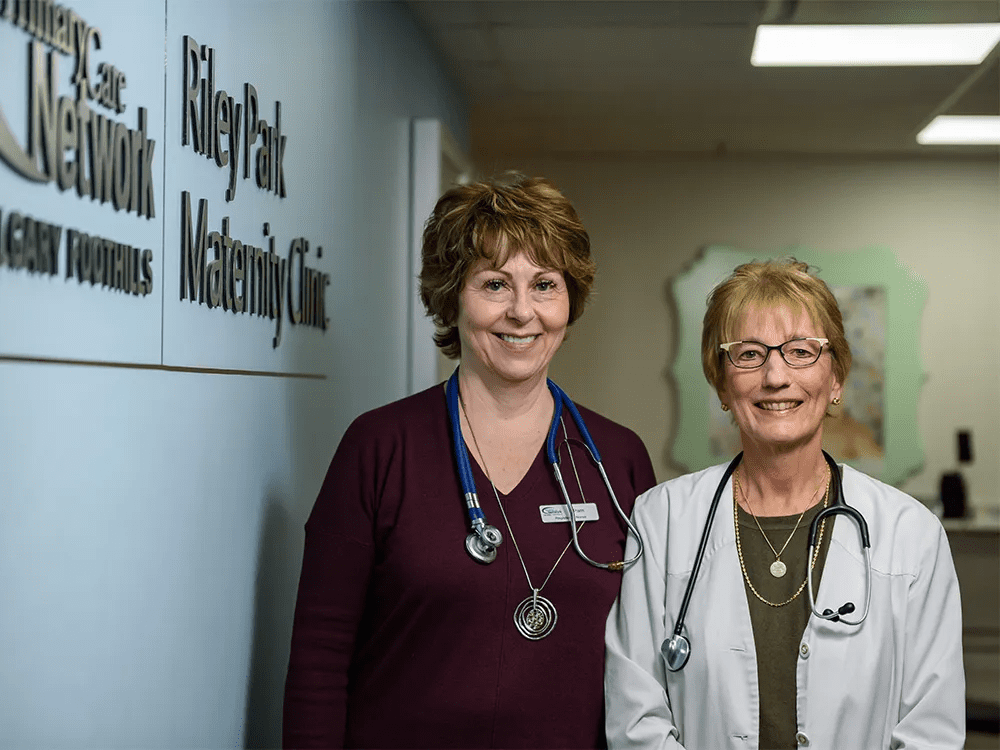
Women from the city who received treatment and gave birth at the hospital remember the place with warmth. The closure of the historic hospital stirred many mixed emotions. The hospital’s impeccable reputation as a leader in women’s health was not lost, as a new women’s health centre, the “Riley Park Maternity Clinic,” eventually opened on the site. Today, it houses a maternity clinic that continues to offer a wide range of prenatal care services.
The “Riley Park Maternity Clinic” offers prenatal care, childbirth preparation classes, breastfeeding support, and mental health services for new mothers. For the birth itself, patients are referred to the Foothills Hospital and are then invited back for follow-up care.
In addition to the maternity clinic, the former Grace Hospital site also hosts a family care clinic, radiology services, and the unique “Access 365” clinic, which operates around the clock and sees patients in need of immediate medical care.