

The Associate Clinic is one of Calgary’s earliest medical institutions, providing family, specialized, and subspecialty medical services. Over time, the clinic expanded and established itself as a trusted facility staffed with skilled professionals. Learn more about its journey on icalgary.
Founded by Skilled Physicians
In 1922, a group of physicians led by Daniel Stuart McNab founded the Associate Physicians and Surgeons clinic. This initiative was not born of mere chance; McNab had previously visited successful clinics across North America to study the best practices for establishing medical facilities.
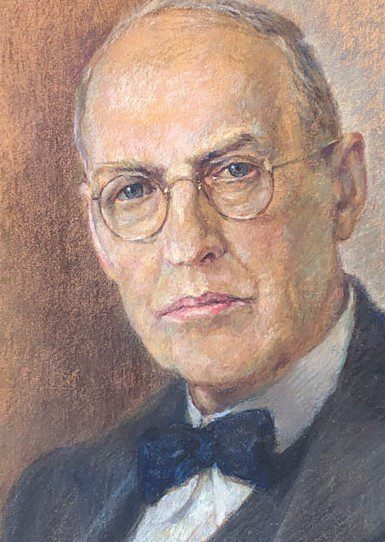
To establish the clinic, McNab recruited four notable doctors: George Douglas Stanley, Albert Earl Aikenhead, William Iyer Lincoln, and James Scoville Murray. While McNab specialized in surgery, the others were general practitioners.
The clinic initially operated from a two-story building on 6th Avenue SW, when Calgary’s population was about 63,000. To meet the community’s growing needs, the clinic was well-organized with laboratory facilities, an X-ray unit, and a small library. Besides doctors, the staff included a nurse, a business manager, a credit manager, a lab technician, a legal consultant, and a janitor. A secretary also handled reception, telecommunication, and accounting duties.
A New Location
In 1928, the founders decided it was time to expand. They purchased the old mansion of the Central Methodist Church on the same 6th Avenue. The following year, they relocated the mansion to the rear of the property and added a brick façade.
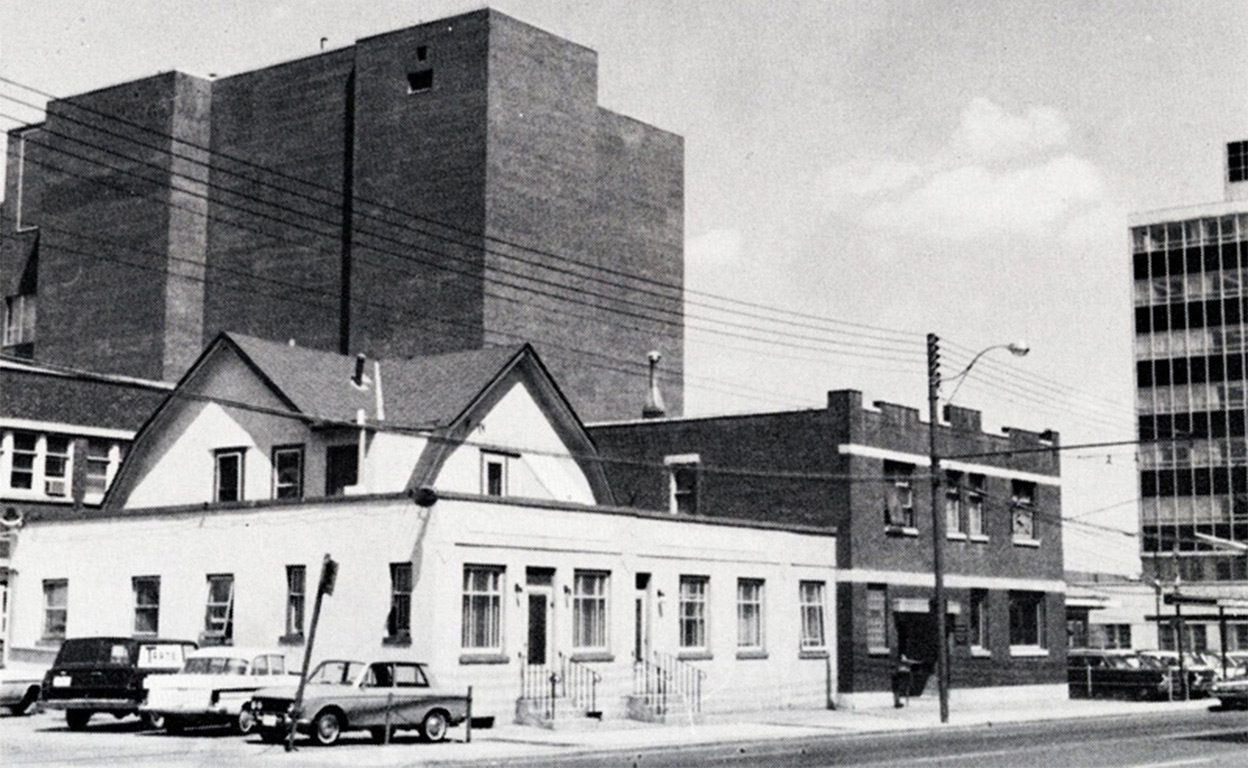
During this time, the clinic was renamed Calgary Associate Clinic. The clinic’s basement housed its first dispensary, opened by the business manager Sid Dorland, a former pharmacist.
Educational Initiatives for Staff
Daniel McNab prioritized fostering a positive workplace environment and encouraging staff to continually refine their skills. Weekly luncheons served as a platform for doctors to discuss their work, deliver presentations, and share insights. Occasionally, guest lecturers from medical universities were invited.
The clinic also funded staff training, sending physicians to conferences and courses. Upon returning, doctors shared their learnings, integrating them into the clinic’s practices.
By 1932, the clinic introduced monthly evening gatherings for reviewing patient case histories, led by Dr. Scarlett. These meetings, initially called “historical meetings,” evolved into the Historical Society, which published the CACHB historical bulletin.
Scarlett annually invited Alberta’s senior medical professionals to present at the Historical Society, with the clinic covering their travel and accommodation at the Palliser Hotel. This platform facilitated knowledge exchange among Alberta’s medical community.
Continued Expansion
By 1930, the clinic added pediatricians, obstetricians, and internal medicine specialists. In the basement, Sid Dorland established a pharmacy. Mid-1930s saw rapid growth as McNab hired doctors from Eastern Canada and abroad, establishing departments for otolaryngology, urology, thoracic surgery, and ophthalmology.
This growth significantly influenced Alberta’s healthcare landscape. The clinic attracted highly skilled physicians from various specialties, offering them a guaranteed income even before formal employment. Many practices were inspired by the Mayo Clinic, owing to close personal ties between McNab, Stanley, Scarlett, and the Mayo Clinic staff.
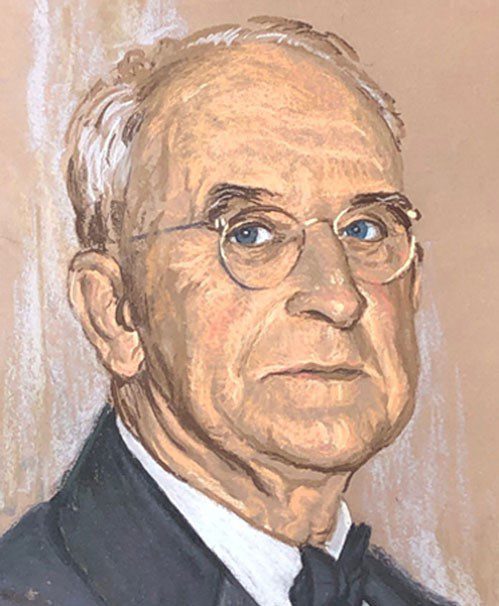
However, rapid expansion brought challenges, particularly a shortage of beds. With an average of 55,000 annual patient registrations, the clinic demolished its original mansion in 1939, replacing it with a new building to accommodate twenty doctors. The updated facility included dietetics and physiotherapy departments, an expanded radiology unit, and a pharmacy managed by licensed pharmacists. Dr. Fred Langton oversaw the laboratory and animal care, which housed rabbits and guinea pigs.
After 1940, many medical professionals joined the military. Their positions were temporarily filled by new hires, some of whom stayed even after the original staff returned post-war. Over 200 doctors passed through the Associate Clinic’s doors during this era.
Collaborations with Local Institutions
From the 1960s, the clinic provided medical services to the Calgary branch of the University of Alberta (later the University of Calgary). For a period, it also supported the Calgary Stampede until the event established its own medical facilities.
The clinic maintained close ties with Holy Cross Hospital. For instance, in 1960, it purchased a “heart-lung” machine for the hospital, enabling previously unattainable procedures.
By the 1980s, the clinic had evolved significantly. Weekly educational meetings ceased, part of the library was donated to the University of Calgary, and the laboratory and X-ray equipment were sold in 1979 and 1986, respectively.
Relocations
In the early 1980s, the clinic faced challenges from the construction of Bow Valley Square, which overshadowed its four-story building. Seeking respite, staff temporarily relocated to 1228 Kensington Road NW, housing 46 physicians across various departments, including family medicine, orthopedics, pediatrics, cardiology, and otolaryngology.
Before Calgary’s economic downturn and rising interest rates, a new clinic building was constructed in 1984. However, high mortgage costs and parking restrictions led the owners to sell the building. After leasing premises for several years, the clinic returned downtown in 1994, reopening on the third floor of Gulf Canada Square on 9th Avenue SW, continuing to provide convenient and high-quality medical care.

Daniel McNab’s vision came to life in what was once a small town on Canada’s Wild West frontier. Whether he envisioned such longevity is unknown, but in 2022, the clinic celebrated its centennial. Having survived the Great Depression, World War II, and the 1980s recession, it remains committed to delivering exceptional healthcare to Calgarians and nearby residents.
Photos courtesy of Associate Clinic’s website.