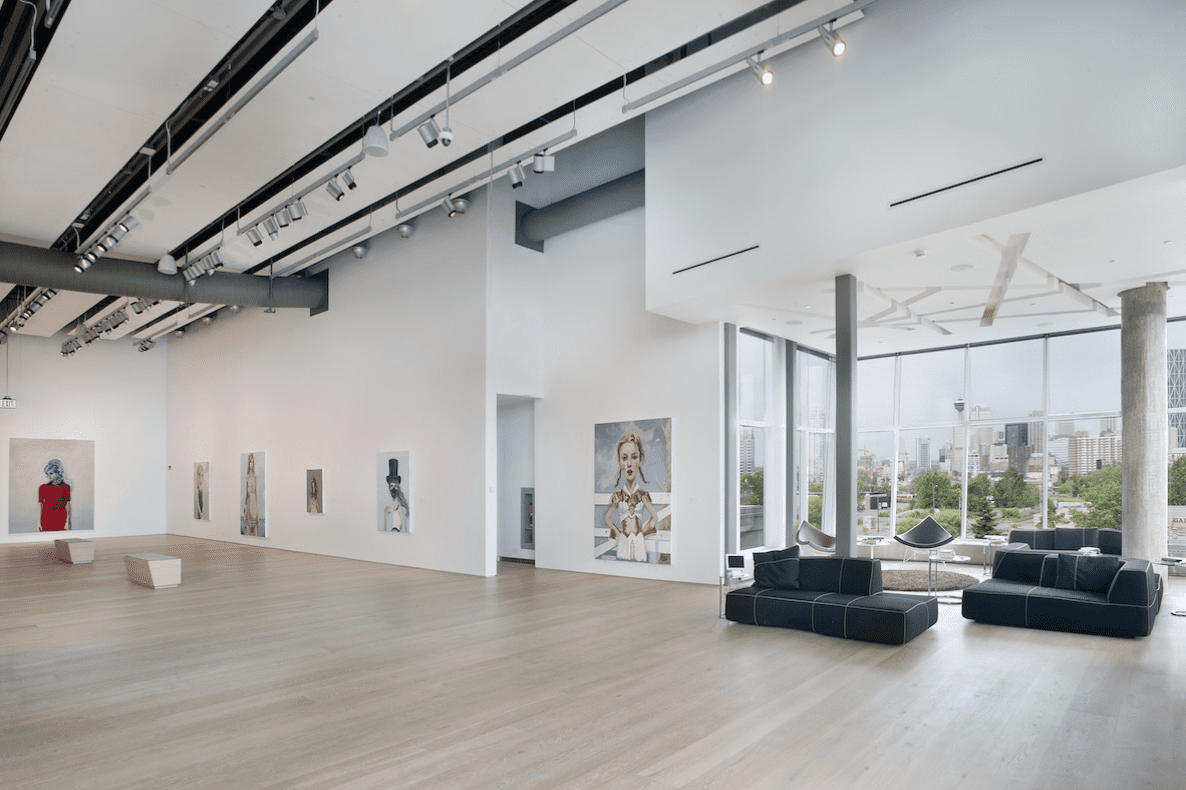

The Esker Foundation is a leading contemporary art gallery in Calgary, known for championing emerging and experimental artists. The gallery is celebrated for its bold curatorial approach, engaging and innovative exhibitions, and a strong focus on interdisciplinary projects. More than just a showcase for artistic works, the Esker Foundation actively stimulates a dialogue between artists and the public, making contemporary art accessible to everyone. This article on icalgary explores the gallery’s history and its ongoing activities.
A History of Generosity
The Esker Foundation was established in May 2012 by Calgary collectors and philanthropists Jim and Susan Hill. Their goal was to create an accessible and welcoming space in the city for contemporary art exhibitions and programs. The Hills were committed to making the space barrier-free, which is why the gallery offers free admission and parking for all visitors, alongside inclusive exhibitions and public programs.
Architectural Design
The 1300-square-meter gallery was designed by Kasian Architects. The firm worked closely with the Hills to realize their vision. Throughout the exhibition spaces, wide-plank oak flooring was installed, creating a warm contrast with the futuristic, minimalist interior.
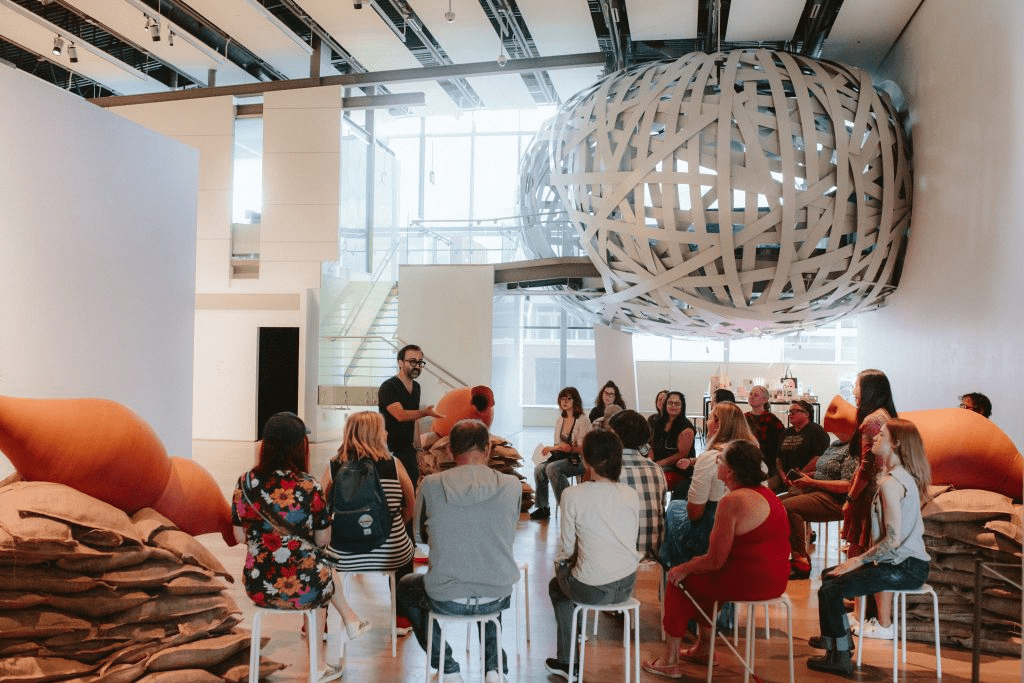
Suspended from the ceiling is a large, striking “nest” constructed from steel bands—this serves as a meeting room. The nest’s organic shape offers a visual counterpoint to the building’s simple, clean lines and its glass-and-steel framework. Panoramic windows offer stunning views of the historic Inglewood district.
The Gallery’s Mission
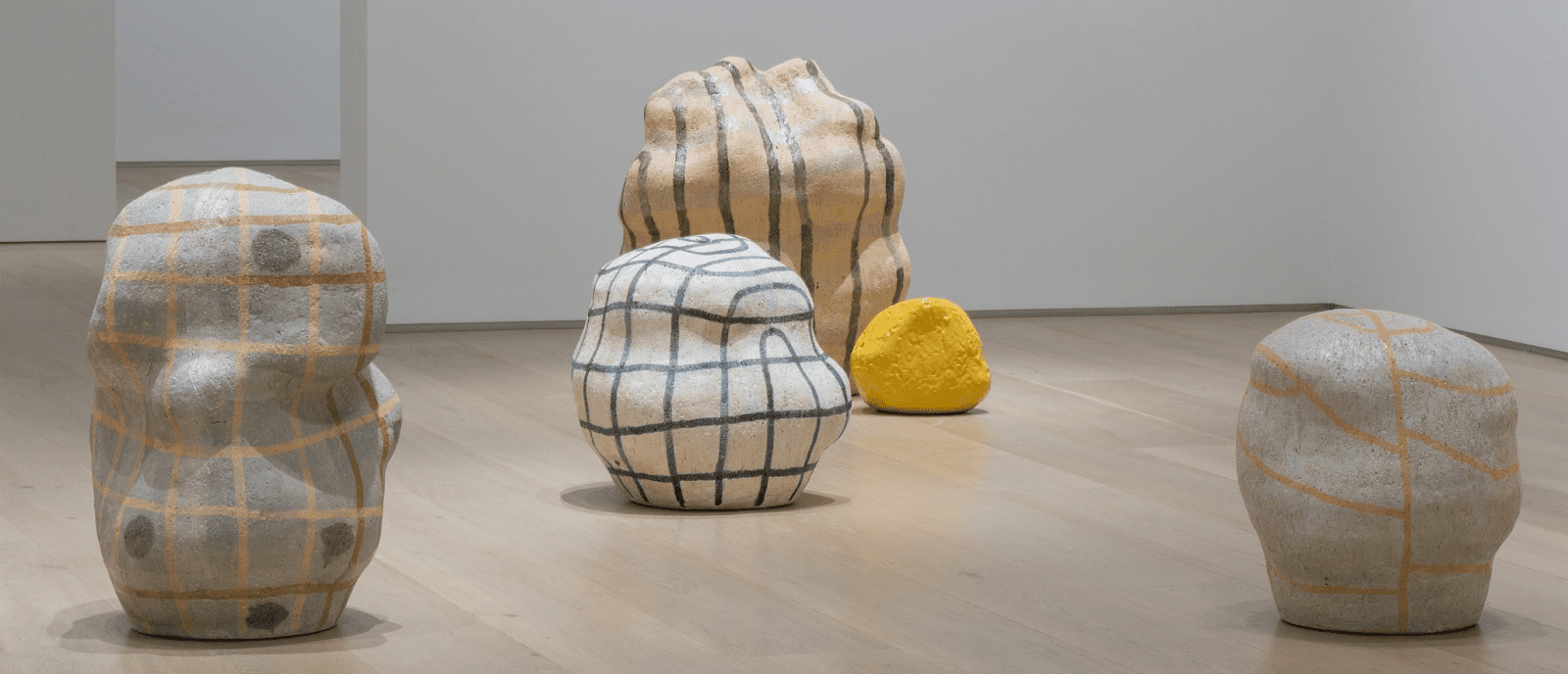
Through its exhibitions, numerous public programs, and publishing initiatives, the Esker Foundation actively supports artists and engages visitors. The Foundation offers diverse models for learning, connection, and collaboration. The gallery creates opportunities for public, cross-cultural dialogue and champions the development of groundbreaking ideas and research.
The gallery typically presents three seasonal exhibitions annually: fall, winter, and spring/summer. In their work, the curators primarily focus on supporting the artists. Exhibitions do not revolve around a single, overarching thematic curatorial structure but rather concentrate on the artists’ individual research and explorations. The gallery typically hosts two or more parallel solo exhibitions. The curators’ goal is simply to allow viewers to instinctively find connections between the works, fostering an intuitive and responsive experience.
The Project Space
In addition to its main exhibition area, the Esker Foundation also operates a “Project Space” on 9th Avenue SE. This alternative exhibition venue is part of the gallery’s strategy to engage a broader audience. The Project Space invites both emerging and established artists to create new installations that respond to the neighbourhood and explore contemporary urban issues. Exhibitions here are viewable both day and night, seven days a week.
Public Engagement Programs
A series of programs for families, children, youth, and adults is developed alongside every exhibition. These programs are a way to bring the community together, break down barriers, and explore alternative methods of learning and discovery. The gallery organizes various public lectures and talks with artists, where they discuss contemporary practices and trends in art, as well as social and political topics through the lens of artistic projects.
The gallery also hosts children’s and youth workshops where participants can experiment with painting, sculpture, and other media. All these programs underscore the Esker Foundation’s mission: to create an inclusive space that is not just a venue for displaying art, but a dynamic platform for learning, dialogue, and inspiration.