

Calgary is one of North America’s premier destinations for film and television production, increasingly earning the title of “Hollywood North”. From classic Westerns to the global smash hit The Last of Us and the Oscar-winning epic Interstellar, the city has hosted a stellar lineup of major productions. In this article on icalgary.net, we explore why Calgary and Alberta captivate Hollywood filmmakers, where to find the region’s most iconic film locations, the profound economic impact of the screen industry, and how the expansion of the Calgary Film Centre is shaping the future of local production.
From Early Westerns to Marilyn Monroe: Alberta’s Cinematic Roots and the Key Role of Indigenous Peoples
Alberta’s film history runs deep, dating back to 1917. As film historian and journalist Mary Graham notes in her book, early American directors were drawn to the rugged beauty of the Wild West, majestic mountain ranges, and abundant snowfall—a spectacle that captivated audiences of the era.
Indigenous peoples (Cree, Stoney Nakoda, and Blackfoot) played a critical role in these early productions. They served not only as actors, but also as guides, location scouts, and cultural consultants.
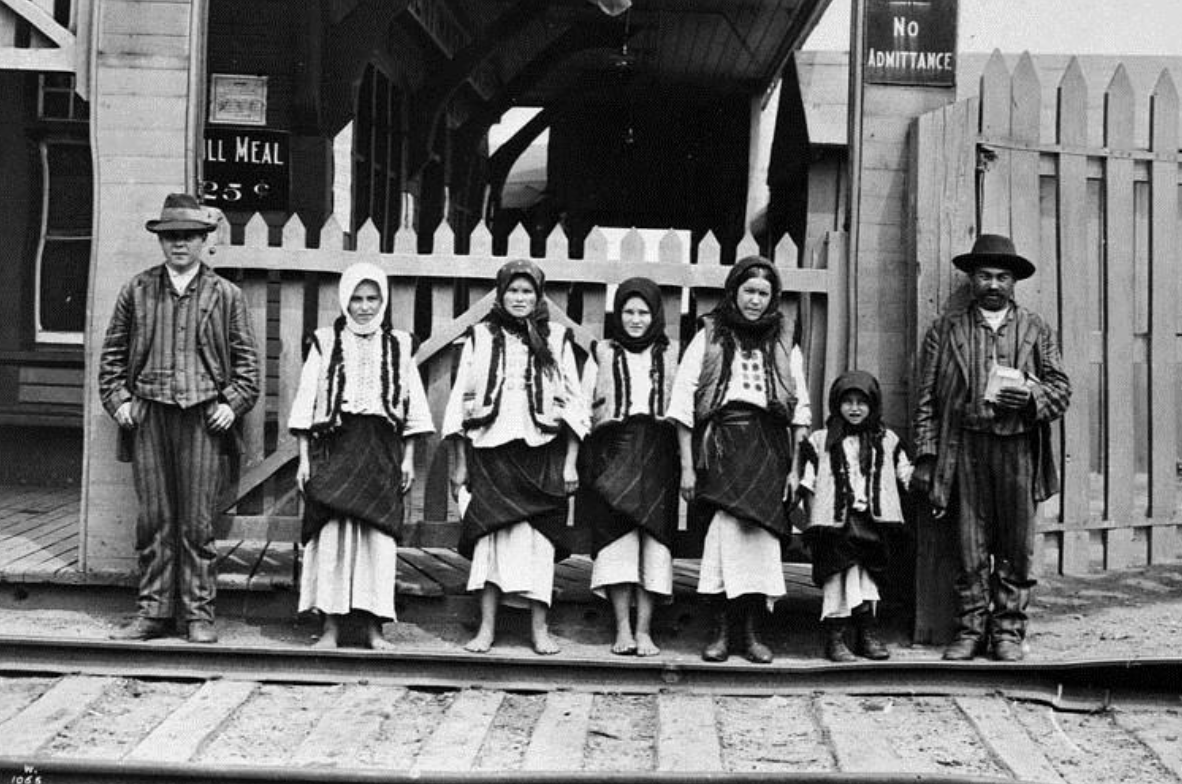
For many First Nations communities, film production provided vital income and a rare avenue to preserve cultural traditions under strict government restrictions.
Renowned director Frank Borzage visited Alberta three times to collaborate with the Nakoda people, even setting up camp on their unceded lands.
Some filmmakers allowed Indigenous cast members to embed subtle messages for future generations, documenting history from their own perspective.
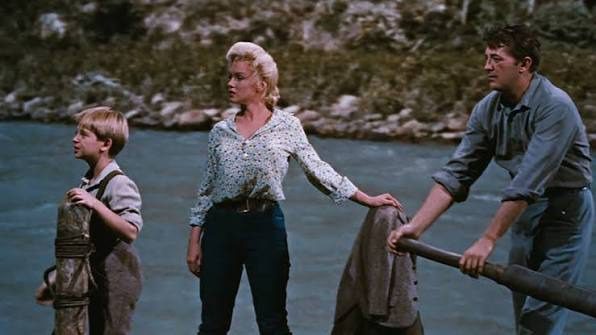
Among the classics filmed in Alberta prior to the 1960s, the 1953 production River of No Return, starring the legendary Marilyn Monroe, holds a special place in cinema history.
Why Hollywood Chooses Calgary: Tax Credits, a Favourable Exchange Rate, and the State-of-the-Art Calgary Film Centre
Calgary has solidified its status as Canada’s fourth-largest film and television production hub. In 2021, the city shattered its own record by attracting $522 million in film production spending. This rapid growth stems from a carefully crafted strategy:
- Tax incentives.
The Alberta Film and Television Tax Credit provides a 22% to 30% tax credit on eligible production and labour expenses.
- Removal of project caps.
In March 2021, the Government of Alberta eliminated the $10 million cap per project on tax credits.
- A competitive edge.
Lifting the cap opened the door to industry powerhouses by making the financing of big-budget series predictable and transparent.
- No Provincial Sales Tax (PST).
Alberta has no provincial sales tax, allowing major productions to save 5% to 8% on all local goods and services.
- A weaker Canadian dollar.
The currency exchange rate gives U.S. studios significant purchasing power.
In 2016, the Calgary Film Centre opened its doors—a purpose-built facility featuring three sound stages and extensive multi-purpose workshop space.
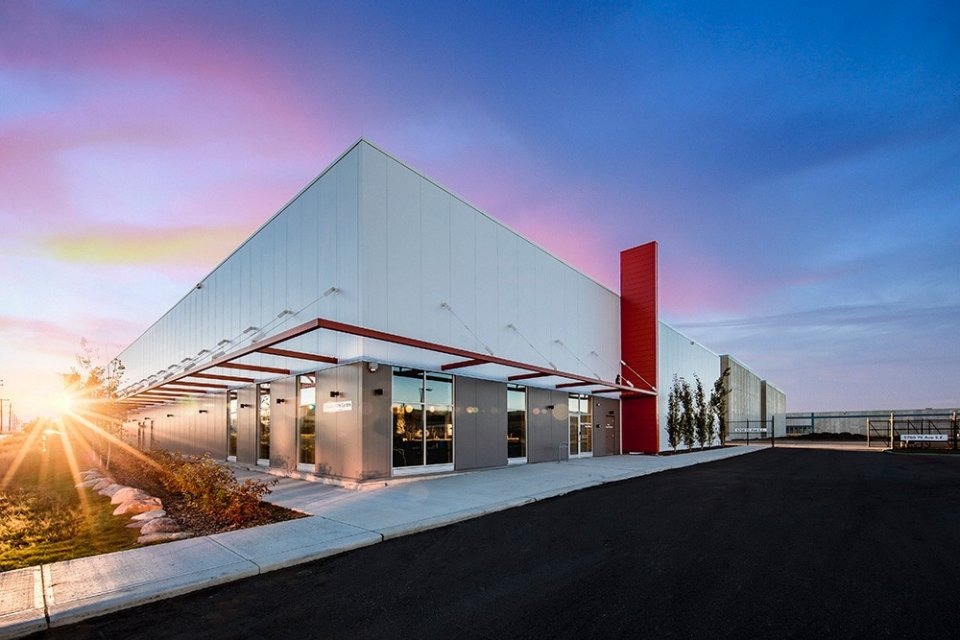
Tom Cox, executive producer at SEVEN24 Films, describes the city’s creative appeal:
“Calgary has an entrepreneurial spirit… If you have a strong creative vision, you can make it happen here.”
The Legacy of The Last of Us: Transforming Alberta into Post-Apocalyptic America
The versatile geography of Calgary and Alberta allows filmmakers to simulate everything from the deserts of Afghanistan and feudal Japanese battlegrounds to the upscale neighbourhoods of Beverly Hills.
HBO’s adaptation of the hit video game The Last of Us stands as the largest film production in Alberta’s history. Filming Season 1 generated over $141 million in direct spending across the province.
To recreate a ruined, post-apocalyptic Boston, the production took over downtown Calgary (notably the 4th Avenue flyover) and the historic Inglewood district.
The Alberta Legislature Building in Edmonton doubled seamlessly as the Massachusetts State House.
Scenes set in an abandoned shopping mall were shot at Calgary’s Northland Village Mall, which was staged with early-2000s nostalgia right before its redevelopment.

The fictional Eastern Colorado University was brought to life across the campuses of SAIT and Mount Royal University.
Series star Pedro Pascal shared that the mountain town of Canmore, transformed to portray Jackson, Wyoming, was his favourite location of the entire shoot.
Award-Winning Vistas and TV Hits: Where Interstellar, Fargo, and The Revenant Were Filmed
For The Revenant, director Alejandro G. Iñárritu captured the raw wilderness of Kananaskis Country and the badlands near Drumheller. Calgary meteorologist Jordan Witzel served as an on-set weather consultant, tracking lighting windows and cloud thickness for the crew.
Christopher Nolan’s sci-fi epic Interstellar filmed at Seaman Stadium in Okotoks and atop Fortress Mountain. Star Matthew McConaughey recalled letting his son drive a pickup truck through the cornfields specially planted near the village of Longview once production wrapped.
Notable Hollywood classics and acclaimed television hits filmed in Calgary and nearby areas include:
- Fargo.
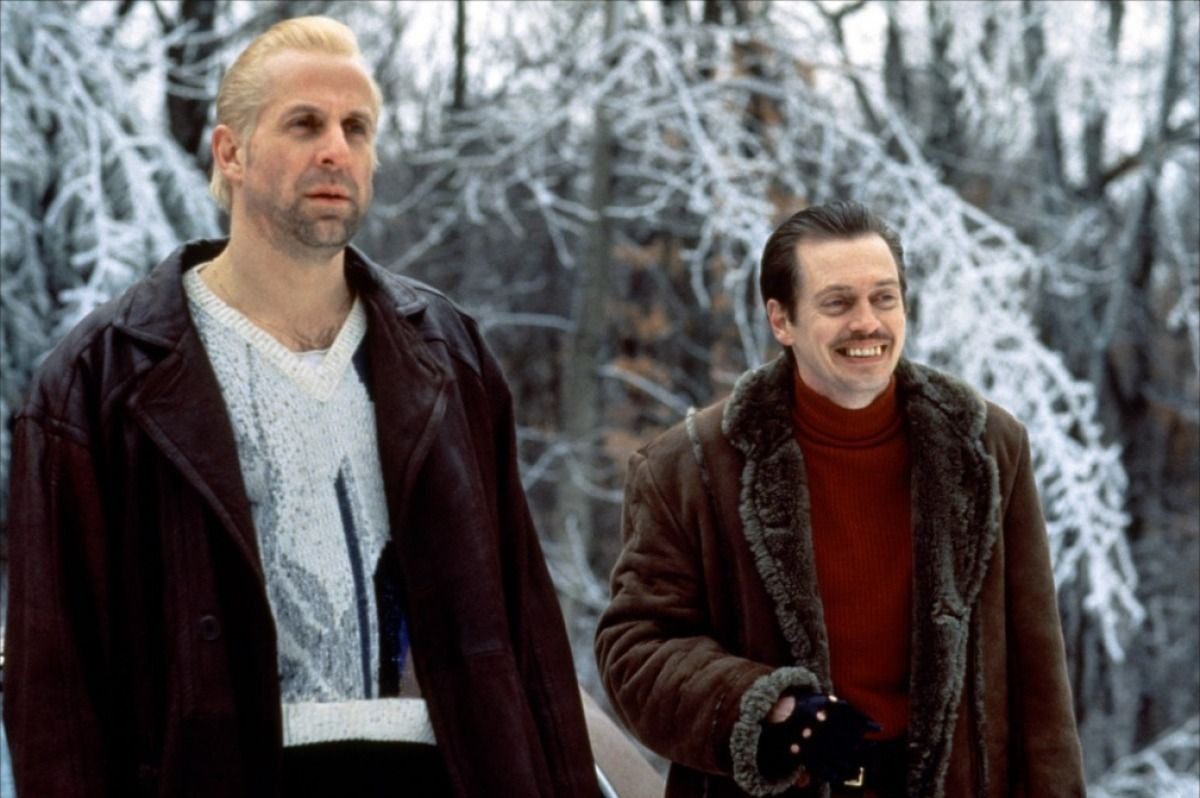
The first three seasons and the fifth season of the acclaimed crime drama were filmed in Calgary and surrounding rural towns, perfectly capturing the wintery backdrop of Minnesota and the Dakotas. Memorable filming spots include Inglewood, a former hospital building in Didsbury, and the Smokehouse Diner.
- Heartland.
The longest-running one-hour drama in Canadian television history has been filmed in High River, just south of Calgary, for over a decade.
- Brokeback Mountain.
The iconic Calgary country bar Ranchman’s served as the backdrop for pivotal scenes in this Oscar-winning drama.
- Superman (1978).
Historic streets in East Village and panoramic vistas from the Calgary Tower provided the perfect urban backdrop for Metropolis.
One of the most sought-after film locations in Calgary is Heritage Park Historical Village. This living history museum has hosted film crews since the 1970s, serving as a set for Brad Pitt’s western The Assassination of Jesse James by the Coward Robert Ford and, more recently, the western drama series Billy the Kid.
The Economic Multiplier: Small Business Growth, Film Tourism, and Energy Workers Transitioning to Film
The economic footprint of film production extends far beyond movie sets. The sector supports more than 24,000 workers and collaborates with over 4,400 local businesses. Economists estimate that every dollar invested by the Alberta government into film incentives generates $3.50 in economic return for the province.
- A boost for small business.
Film crews rely heavily on local suppliers. A single large-scale production can buy out all available lumber, plywood, and paint in smaller communities like Fort Macleod.
- Hospitality and food services.
During the filming of Ghostbusters: Afterlife, Alberta hotels generated over $4.3 million in revenue, while local restaurants saw roughly $500,000 in per diem crew spending.

- Transferable skills from the energy sector.
Skill sets from the oil and gas sector transition seamlessly into film and television. Heavy equipment operators manage complex camera cranes, oil and gas project managers coordinate intricate shoot logistics, and industrial health and safety professionals work as on-set safety leads and medics.
- Set-jetting and film tourism.
Screen success creates lasting tourism interest. Fans from around the world travel to Alberta to see Canmore’s Engine Bridge or walk the historic streets of Fort Macleod.
The Road to the Oscars: Calgary International Film Festival (CIFF), Grants, and Emerging Talent
The city’s screen growth is mirrored in the success of the Calgary International Film Festival (CIFF). Launched in 2000 with a screening of the local indie film Waydowntown, the festival welcomed 8,000 attendees in its debut year. Today, that audience has grown to nearly 30,000 film enthusiasts.
The Academy of Motion Picture Arts and Sciences officially recognizes CIFF as an Oscar-qualifying festival for short films, giving winning shorts a direct pathway to Academy Award consideration. The festival also distributes substantial cash awards to support filmmakers, including the $10,000 RBC Emerging Canadian Artist Award.

To ensure a continuous pipeline of skilled industry workers, the province launched the Screen Access Alberta portal. This platform connects newcomers and seasoned crew members with career opportunities, specialized training, and labour unions.
Calgary has firmly proven that it is far more than just a hub for energy and cowboy culture—it is a world-class destination for global cinema. Driven by breathtaking natural landscapes, competitive tax incentives, and a world-class local crew base, the film sector has become a powerhouse for Alberta’s economy. From sweeping western epics to gritty post-apocalyptic sagas, “Hollywood North” continues to craft unforgettable stories for screens worldwide.