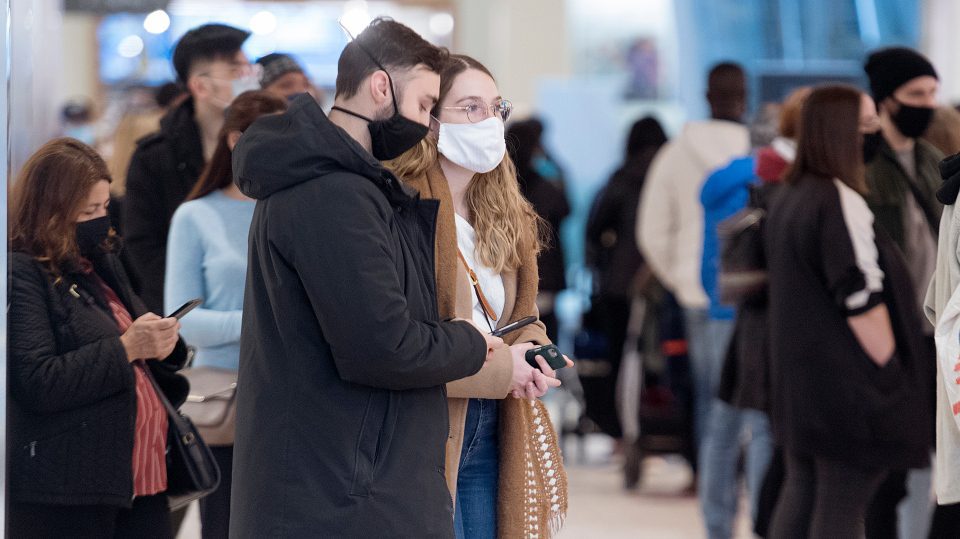

On March 5, 2020, Alberta reported its first case of COVID-19, involving a Calgary woman who had recently returned from a California cruise. The events that followed and the province’s efforts to combat the pandemic are detailed below. More on icalgary.net.
Initial Response and the First Death
On March 11, the World Health Organization declared COVID-19 a pandemic. Alberta began issuing travel advisories, urging residents to avoid leaving Canada. The following day, gatherings of more than 250 people were banned across the province.
On March 15, Calgary declared a local state of emergency, temporarily closing non-essential businesses and services. Alberta cancelled all school classes, and a province-wide state of emergency was declared the next day.
The first COVID-19 death in Alberta was reported on March 19. A 60-year-old man from Edmonton passed away, bringing the total cases in Alberta to 146, most linked to international travel.
By late April, for the first time since 1923, the annual Calgary Stampede rodeo festival was cancelled due to restrictions on gatherings of over 15 people. On May 3, Alberta recorded fewer than 100 new COVID-19 cases, marking the end of the first wave in the province.
Reopening Efforts
On May 13, Alberta allowed restaurants and retail stores to reopen, though Calgary and Brooks faced extended restrictions due to active outbreaks. Both municipalities joined the reopening plan on May 25.
On June 12, the second phase of reopening began, allowing massage clinics, theaters, and libraries to operate. In July, the government announced that schools would reopen in September under strict safety measures. However, Calgary introduced mandatory masks in indoor public spaces starting August 1.
In mid-August, cases surged province-wide, with indoor gatherings of young people cited as a key factor. Shortly after schools reopened, Henry Wise Wood High School in Calgary became the first in the city to report a COVID-19 outbreak.
New Restrictions
Thanksgiving celebrations on October 12 became a turning point for Alberta’s second wave. On October 26, the province banned events with over 15 attendees.
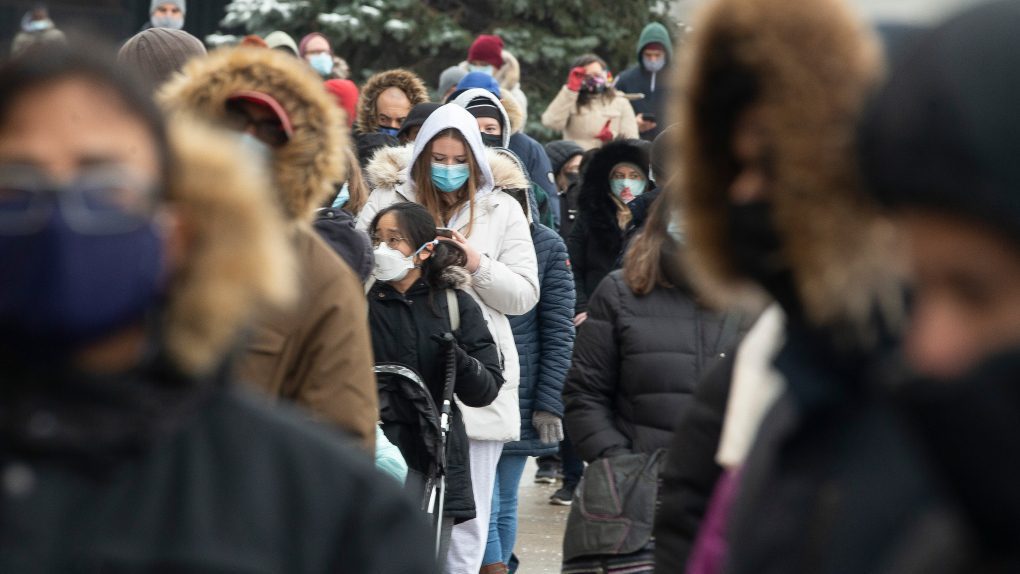
By early November, cases in Calgary’s correctional centre skyrocketed, with over 150 infections reported. On November 24, Alberta imposed stricter measures, including school closures, restrictions on religious gatherings, and bans on social events. On December 8, all public gatherings were prohibited.
The Arrival of Vaccines
On December 15, Alberta administered its first Pfizer-BioNTech vaccines, followed by Moderna later that month. On December 24, the first case of the highly transmissible B.1.1.7 variant was detected. Just days later, COVID-19 deaths surpassed 1,000, nearly half occurring in December.
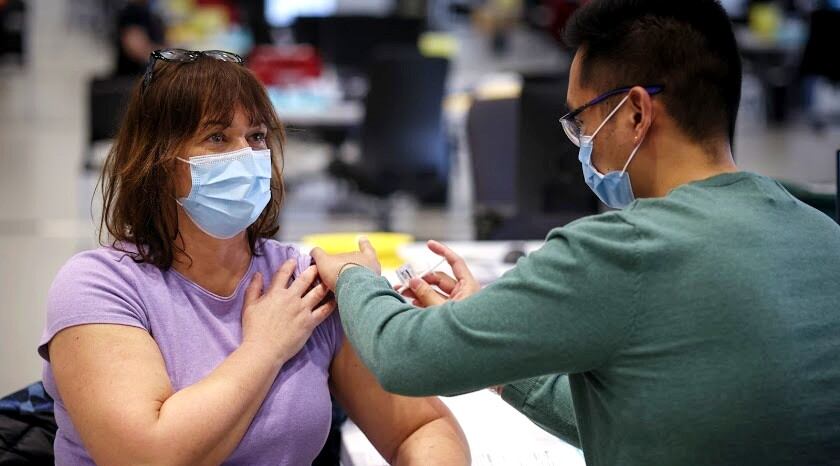
By January 8, 2021, vaccine eligibility expanded to emergency room workers and COVID-19 patients. Restrictions were gradually eased, with outdoor gatherings and personal service businesses reopening. Restaurants, gyms, and youth sports partially resumed by late January.
On February 24, seniors born in 1946 or earlier could book vaccinations. By March, Alberta rolled out AstraZeneca vaccines and eased restrictions on gyms and libraries.
Tightened Measures Amid Surges
On April 6, Alberta reinstated restrictions for restaurants, fitness centres, and retail due to rising cases. By May 4, Alberta recorded the highest case rate in Canada, prompting schools to switch to online learning and further curbing gatherings and business operations.
By May 18, over 50% of Albertans aged 12 and older had received at least one vaccine dose. Restrictions were lifted on July 1, enabling the Calgary Stampede to proceed.
On August 16, mask mandates on public transit and taxis were lifted. However, rising concerns about the Delta variant led to renewed safety measures. Incentives, such as $100 gift cards for vaccination, were introduced to boost vaccine uptake.
Protests against vaccination policies erupted on September 12 at Calgary’s Foothills Medical Centre. On September 15, Alberta declared a state of emergency and introduced vaccine passports, exempting vaccinated individuals from certain restrictions.
On September 28, Alberta recorded its highest child infection rate: 68 cases per 100,000 children aged 5–11. Booster shots were launched on October 5 for seniors over 75, Indigenous people over 65, and other high-risk groups.
By October 20, Alberta’s COVID-19 death toll reached 3,000. On November 8, Canada’s land border with the U.S. reopened to fully vaccinated travelers. Vaccine bookings for children aged 5–11 began on November 24, shortly before the Omicron variant was confirmed in Alberta.
Further Restrictions and Protests
On December 21, booster shots became available to all adults, while capacity limits were imposed on some venues. By January 7, 2022, over one million Albertans had received booster shots.
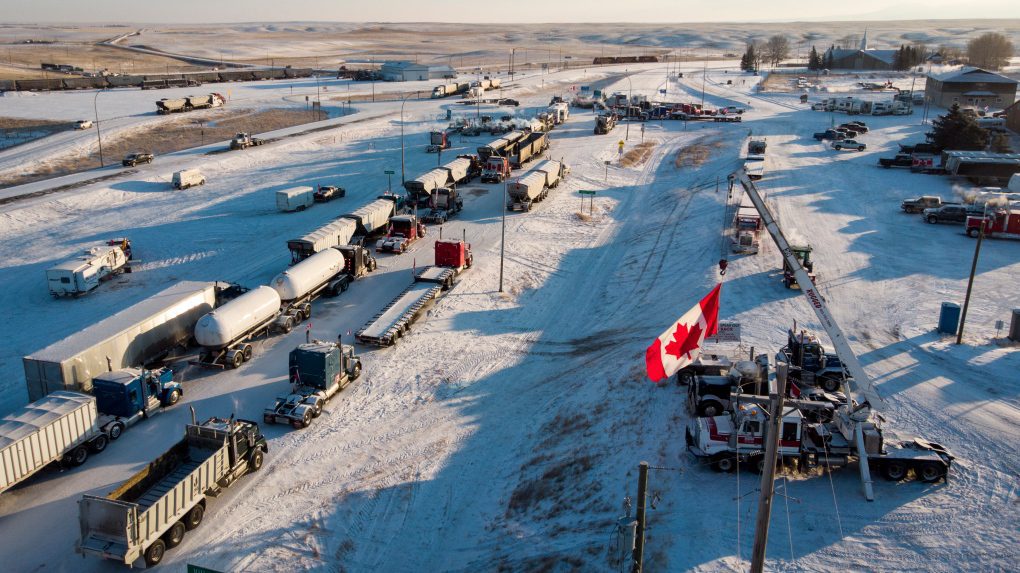
Truck convoys protesting vaccine mandates arrived in Ottawa on January 28 and blocked Alberta’s border with the U.S. for weeks. Protesters dispersed after police seized weapons and arrested 13 individuals on February 15.
Lifting Restrictions
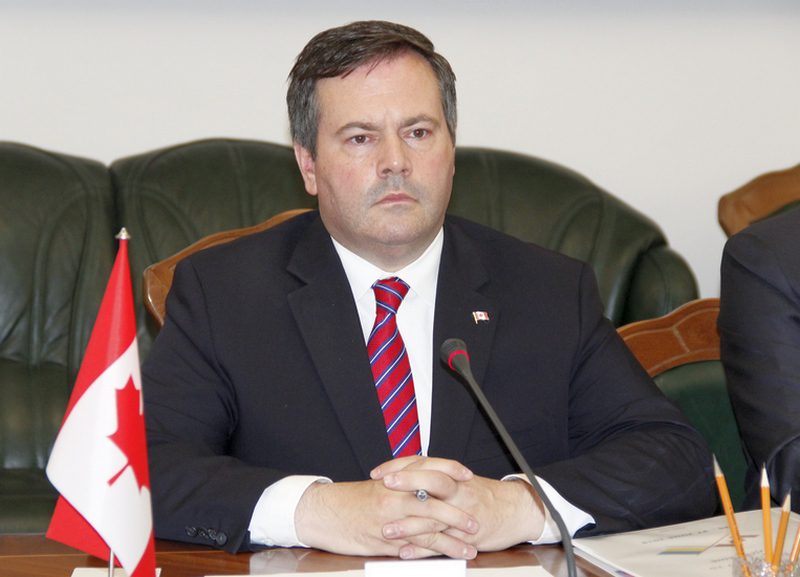
On February 9, Premier Jason Kenney announced the end of the vaccine passport program. Mask mandates for Alberta students were lifted on February 14, and most health restrictions were repealed by March 1.
Kenney declared that the province would block any municipal attempts to reinstate restrictions. Alberta’s two-year journey through the pandemic had reached a turning point.