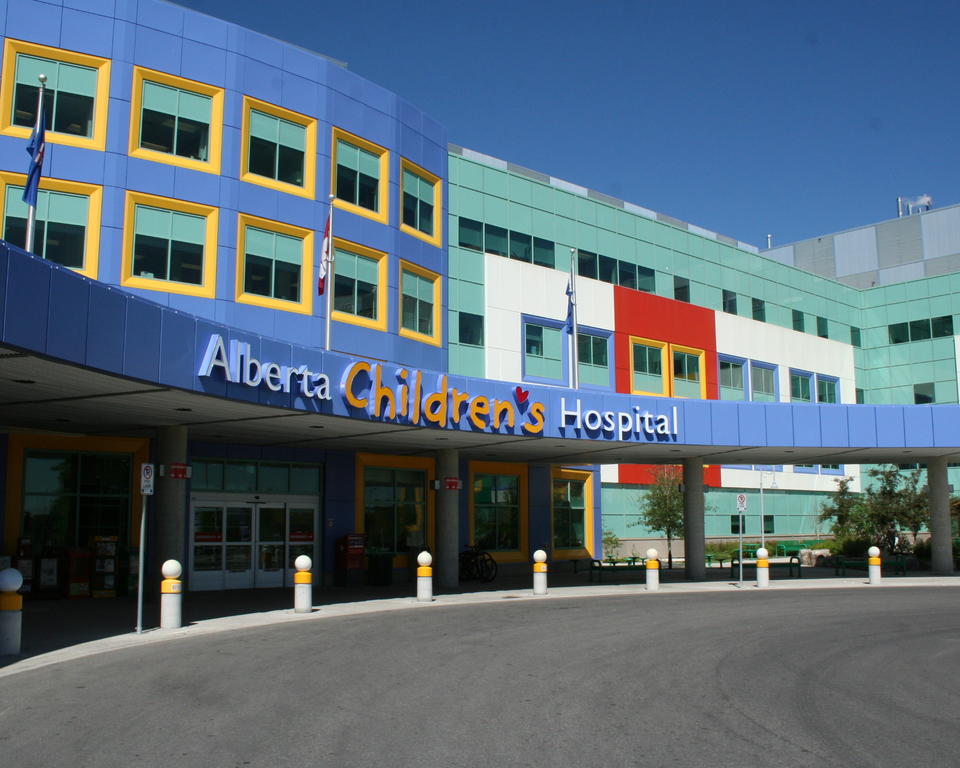

The Alberta Children’s Hospital is a world-class pediatric facility located in Calgary. It serves as the provincial center for bone marrow transplantation. However, during its early years, it was hard to imagine that a modest medical facility would grow, with government and community support, into a nationally and internationally recognized leader in pediatric medicine, offering specialized care to children, as reported by icalgary.
Foundation and Development
The hospital was established in 1922 and initially operated as the Red Cross Children’s Hospital. It was housed in a three-story building at 522-18 Avenue SW, containing 35 beds and staffed by volunteer physicians. Initially, the hospital primarily treated children with polio. Children from across the country traveled to Calgary, as the hospital was a pioneer in performing orthopedic surgeries for children affected by polio.
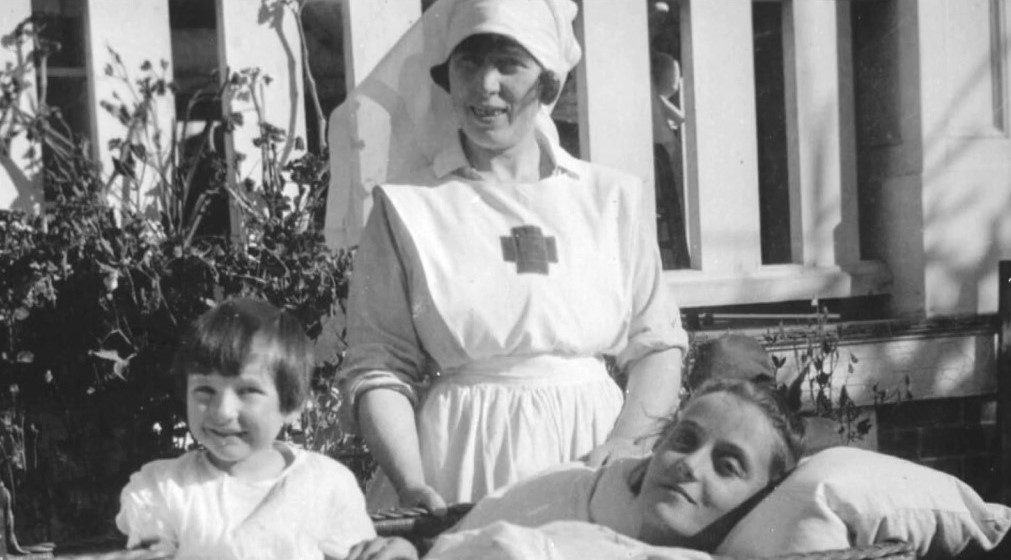
As the demand for pediatric healthcare increased, the hospital moved in 1929 to a renovated apartment building on 20th Avenue SW. It was renamed the Red Cross Children’s Hospital for Crippled Children.
Five years later, the Red Cross ceased sponsoring the hospital, leading to its registration as a non-profit organization under the name Alberta Children’s Hospital for Crippled Children. By 1960, it was renamed Alberta Children’s Hospital. In 1972, the Alberta government purchased the hospital for $2 million.
In its early years, the hospital admitted children with septic tonsils and foot deformities, among other conditions. Patients typically stayed in the facility for one to two months. Medical professionals later found that children recovered better at home and focused on minimizing hospital stays.
In 2002, architects designed the exterior of a new, modern hospital to resemble toy building blocks, intending to reduce stress and promote healing. The vibrant new facility officially opened in 2006.
Achievements
Over time, the hospital became a leader in pediatric cataract surgery and began providing a full range of medical, surgical, and diagnostic services. Despite changes in the healthcare system, the founding principle of delivering the best medical care to children has remained unchanged. The hospital attracts experts focused on providing accessible medical care while enhancing and creating new therapeutic opportunities, offering sick children a chance for recovery and a brighter future.
The hospital spearheaded research that led to national screening for newborns with cystic fibrosis. Before the implementation of such screenings, the average life expectancy of individuals with cystic fibrosis was 35 years, but it increased to 54 years following the introduction of these screenings.
Clinician-researchers from the Hematology, Oncology, and Transplantation program have helped numerous children with sickle cell anemia, a condition causing debilitating pain, lung complications, stroke, heart disease, and blindness. Low-intensity blood and bone marrow transplants have now made it possible to fully cure young patients of this condition.
Thanks to community donations, the hospital established Canada’s first pediatric neurostimulation center. Specialists in this facility are developing new ways to help children with brain-related disorders, such as stroke, depression, anxiety, obsessive-compulsive disorder, and eating disorders.
The Foundation
The Alberta Children’s Hospital Foundation was established in 1957 as the official fundraising body for the hospital. Through generous donations, the foundation supports advanced levels of pediatric healthcare by funding children’s health programs, acquiring state-of-the-art equipment, and conducting cutting-edge research.