
Despite its towering steel-and-glass skyscrapers and sprawling suburbs, Calgary perpetuates a common myth: that it’s a city without history. Yet archaeological sites, the reconstructed Mounted Police fort, and hundreds of preserved historic buildings, warehouses, and commercial structures reveal the evolution of a 19th-century cattle town into a thriving oil metropolis and home of the world-famous Calgary Stampede. Below is a list of books that delve deeper into Calgary’s major historical moments and the story of its urban development. More on icalgary.net.
“The Story of Calgary”
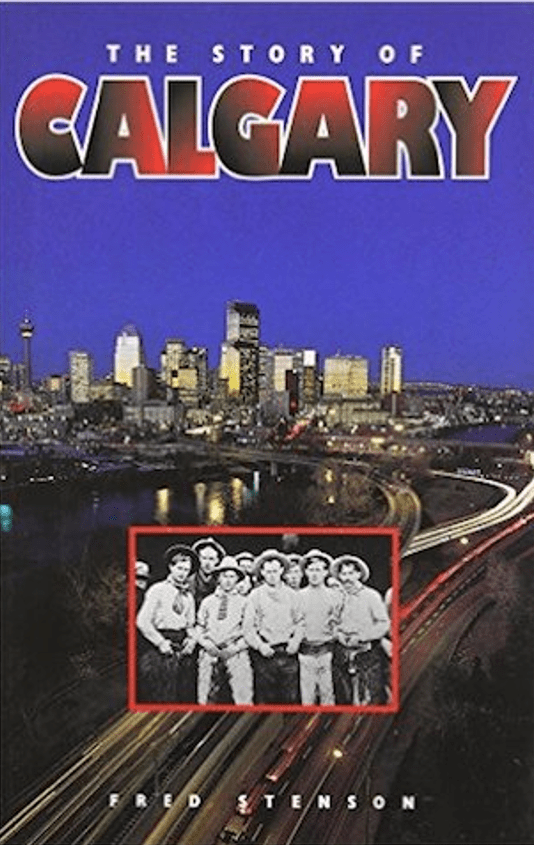
The Story of Calgary by Fred Stenson, published in 1994, opens with a quote from storyteller Robert Gard: “Anything can happen in Calgary, and it did.” The book covers Calgary’s history from prehistoric times, when the region’s unique prairies, foothills, and mountainous geography formed, to the establishment of the first Northwest Mounted Police post and the city’s modern development.
The book explores Calgary as a hub for ranching, the transformative impact of the railway, the founding of the Calgary Stampede in 1912, the effects of two world wars and the Great Depression, and the city’s oil boom. Stenson’s narrative captures the city’s larger-than-life characters, such as Stampede founder Guy Weadick, journalist Bob Edwards, suffragist Nellie McClung, and prominent leaders like Peter Lougheed and Mayor Don Mackay.
Illustrated with over 40 archival photographs, the book portrays Calgary’s spirit of entrepreneurship, its unique political landscape, and its enduring volunteerism, which fueled events from the Stampede to the Winter Olympics.
Fred Stenson, an acclaimed Canadian author, has written extensively about Western Canada and served as a mentor in the Banff Centre’s writing program for over a decade.
“Historic Walks of Calgary”
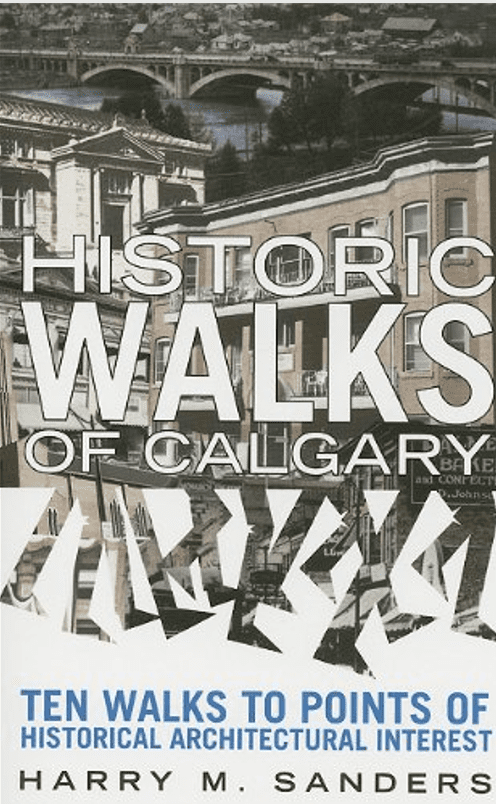
Published in 2005, Historic Walks of Calgary by Harry M. Sanders focuses on the city’s architectural and cultural heritage. With over 300 illustrations and archival photos, the book highlights landmarks and buildings from Calgary’s pre-WWI real estate boom, its post-war recovery, and the wealth brought by the oil industry.
“Suburban Modern: Postwar Dreams in Calgary”
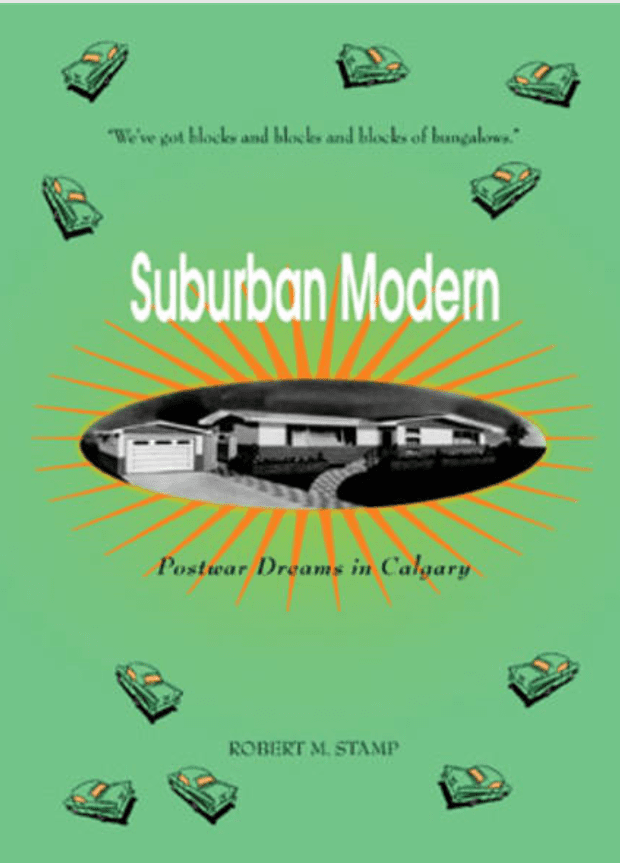
In Suburban Modern: Postwar Dreams in Calgary (2014), Robert M. Stamp examines Calgary’s transformation after WWII through the lens of modernism and suburban development. Beginning with the discovery of oil by Imperial Oil in 1947, the book shows how Calgary embraced modernity not just in architecture and art but in suburban life, including homes, cars, and furniture. Stamp highlights the city’s modernist reinvention of itself through infrastructure, transportation, and community planning.
Robert M. Stamp holds a Ph.D. and has worked as a teacher, antique book dealer, and university lecturer.
“Calgary’s Grand Story”
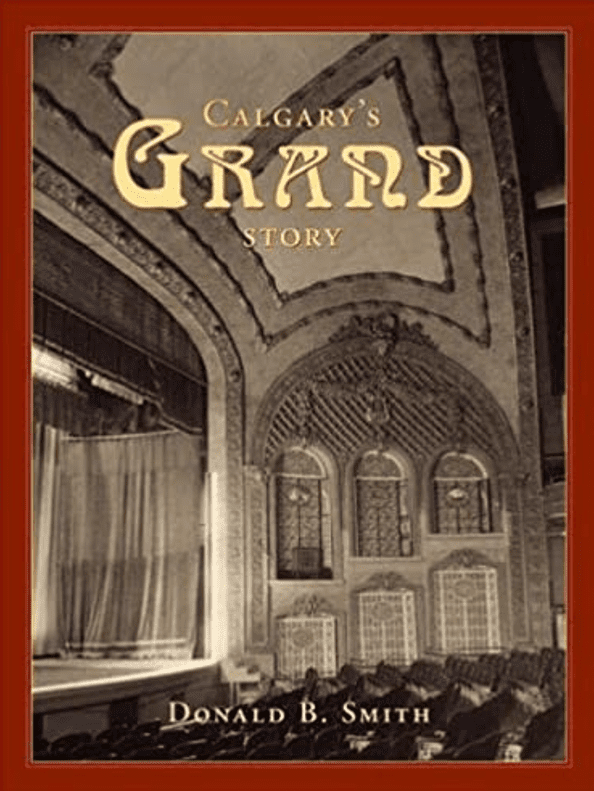
Calgary’s Grand Story by Donald B. Smith, published in 2005, takes a unique perspective by focusing on the Lougheed Building and its Grand Theatre, constructed in 1912. This building became a cultural hub during Calgary’s “golden age,” hosting vaudeville shows, classic films, and community events through the Depression, world wars, and the city’s oil boom. Smith uses the building’s history to explore key figures and events that shaped Calgary in the 20th century, illustrated with 140 historical images.
“Expansive Discourses: Urban Sprawl in Calgary”
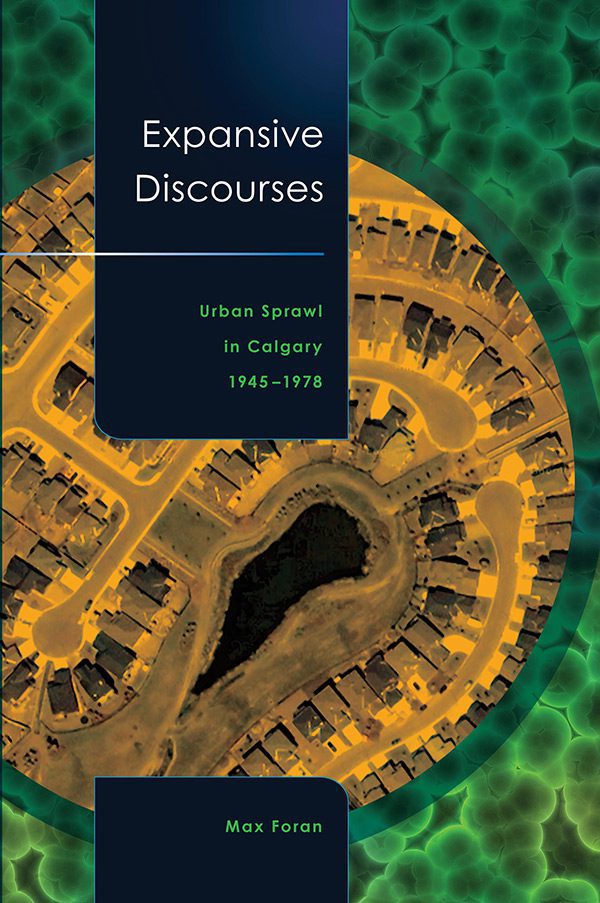
Max Foran’s Expansive Discourses: Urban Sprawl in Calgary (2009) investigates post-WWII urban expansion. The book explores the relationship between developers and municipal governments, showing how land developers prioritized profits while the city balanced planning and infrastructure costs.
Max Foran is a professor at the University of Calgary, specializing in urban and rural history in Western Canada.
“Icon, Brand, Myth: The Calgary Stampede”
In Icon, Brand, Myth: The Calgary Stampede (2008), Max Foran provides a sociological and historical analysis of one of North America’s largest rodeo festivals. Featuring essays and advertising posters, the book examines how the Stampede shaped Calgary’s identity and Western Canada’s cultural mythology.
“Unbuilt Calgary”
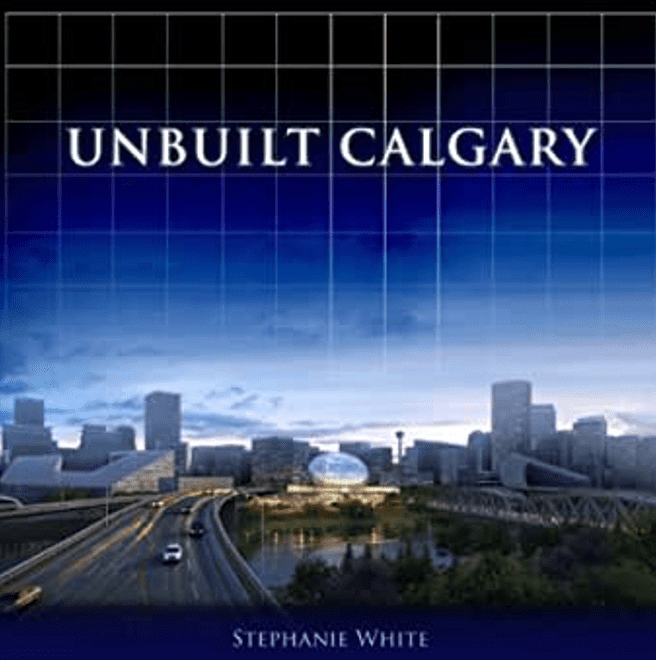
Unbuilt Calgary (2012) by Stephanie White reviews 30 architectural and urban projects proposed but never realized. With illustrations of sketches and models, the book offers a fascinating glimpse into the city’s unfulfilled ambitions.
Stephanie White, an architect and academic, has taught in Canada and the U.S. and holds a Ph.D. in urban geography.
A Modern Cultural Landmark
Today, Calgary has transformed into a dynamic cosmopolitan city with a rich heritage. Books like these ensure that its history—hidden among its modern steel skyline—remains alive and accessible for generations to come.