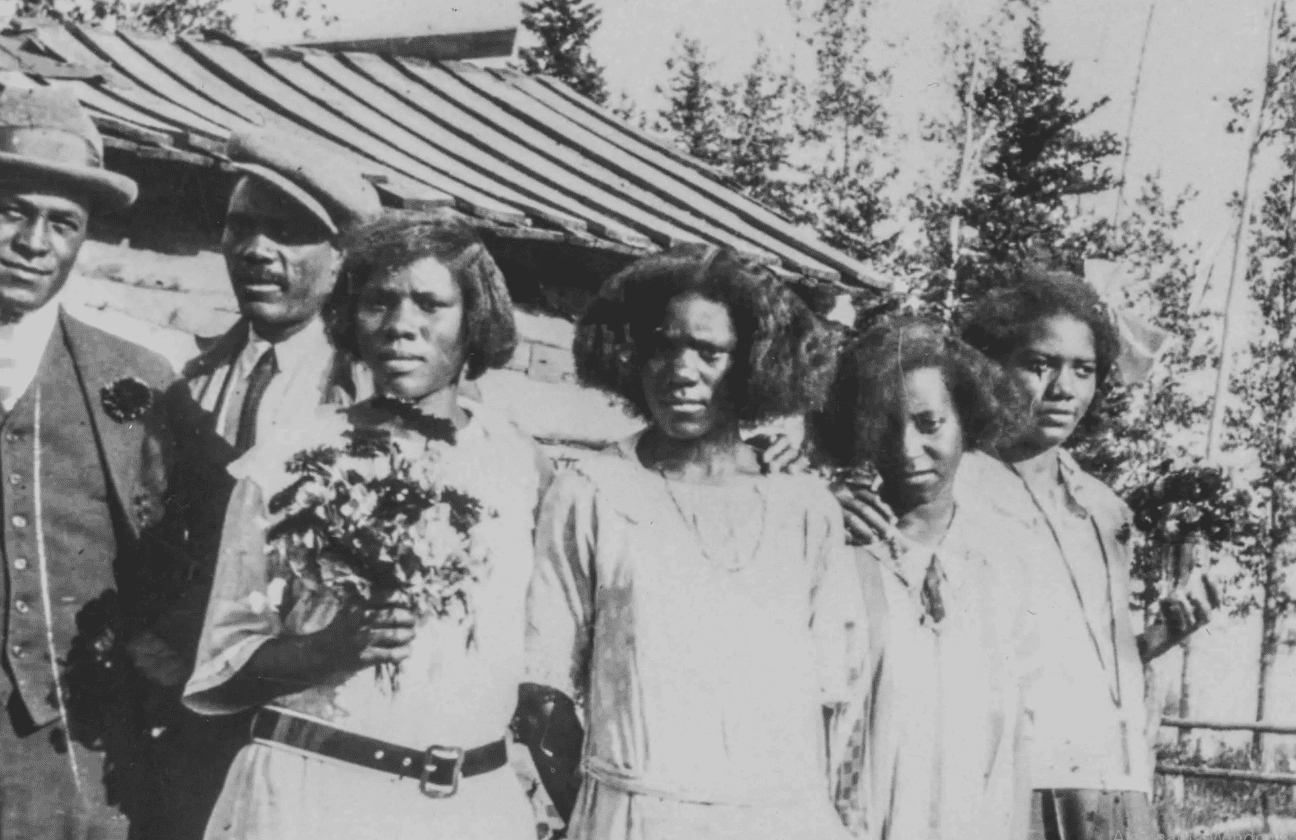

The dark history of Alberta’s prairies is not widely known. It is absent from school curricula and mainstream narratives about Alberta. However, like any other place on Earth, Alberta has its secrets and historical episodes it is not proud of. Denying these events is futile; instead, they must be acknowledged to ensure they are never repeated. Learn more on icalgary.
The Wave of Black Immigrants
Between 1896 and 1914, the federal government launched a campaign called “Last Best West” to develop Western Canada’s agriculture. The campaign encouraged farmers from Eastern Canada, Britain, and the United States to move to Western Canada, where they were promised free land.
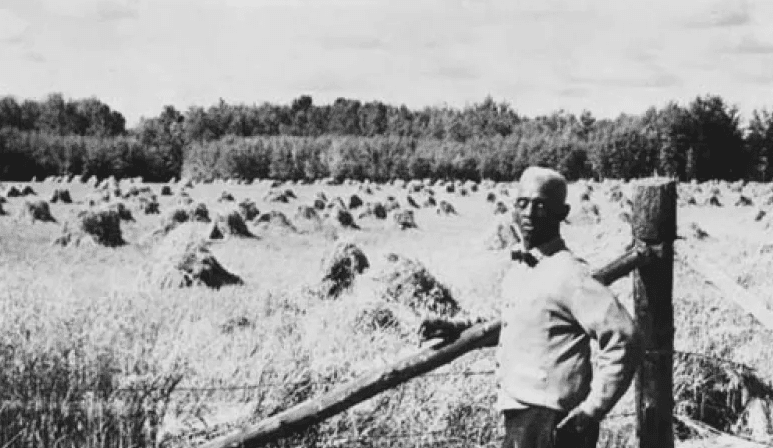
In 1907, Oklahoma became a state in the United States. Many African Americans living there decided to leave to escape potential attacks from radical racists. They were drawn to Canada, particularly the free land offered by the government. Over the years, more than one million American farmers moved to Western Canada. Communities like Wildwood, Breton (Keystone), Campsie, and Amber Valley in Alberta were established predominantly by Black settlers. Families also moved to growing cities in the province, such as Fort Macleod, Fort Saskatchewan, Lethbridge, Edmonton, and Calgary.
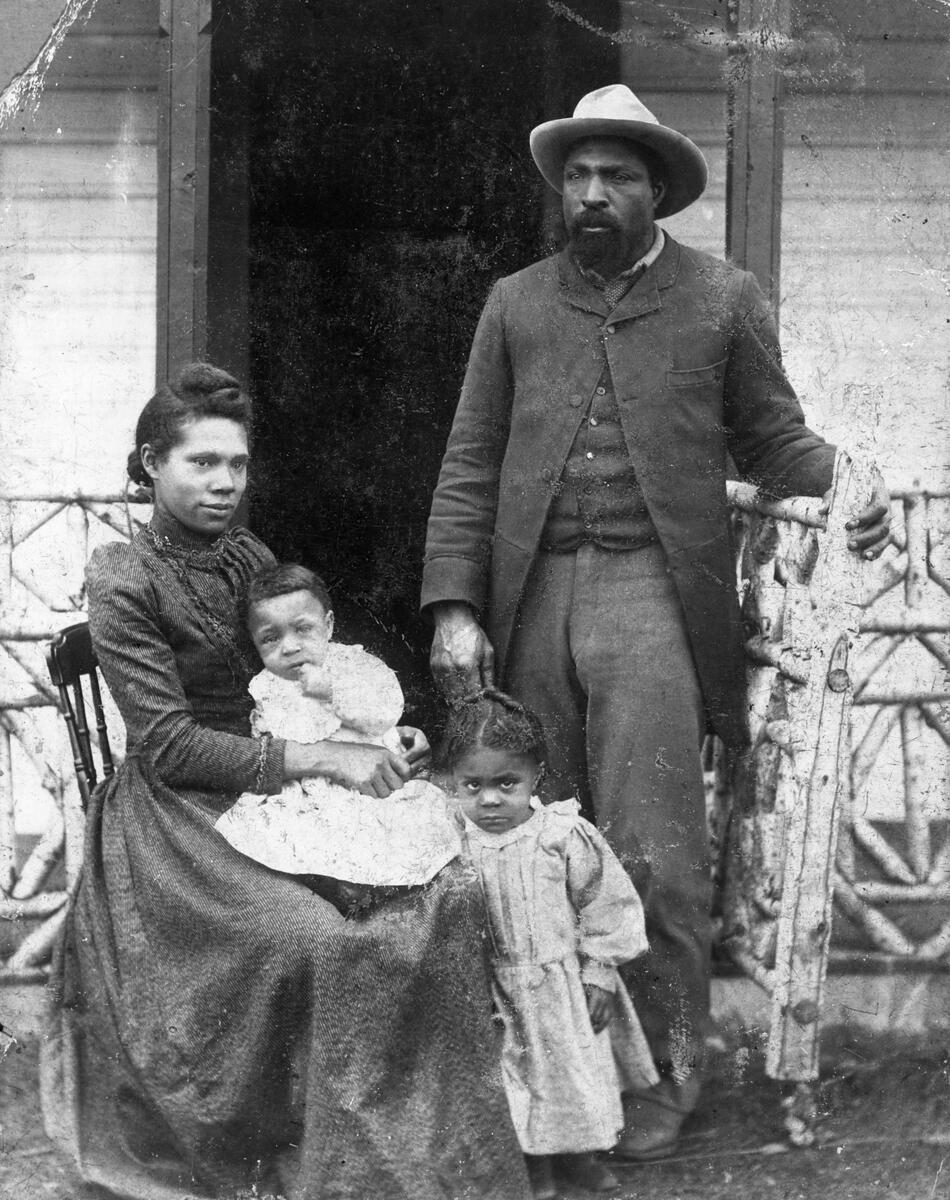
However, some local organizations and members of the community opposed this wave of immigrants, actively expressing their dissatisfaction with Black settlers. The Canadian government had not anticipated that “Last Best West” would attract so many Black individuals, leading to societal conflicts.
Despite the challenges, some Black immigrants made significant contributions to Alberta’s history and development. Prominent figures included John Ware, Daniel Lewis, and Annie Saunders.
- John Ware was one of Alberta’s most renowned cowboys and ranch owners. He arrived in 1882 as part of a group transporting 3,000 cattle southwest of Calgary. Ware decided to stay, founding his own ranch in Millarville in 1900.
- Daniel Lewis, a carpenter, arrived in Alberta with his family in 1889. His daughter Mildred later married John Ware. Lewis was a skilled craftsman, creating intricate wooden details for the homes of Calgary’s wealthy residents. Some reports suggest he contributed to the construction of the famous Lougheed House in 1891.
- Annie Saunders worked as a nurse caring for the children of Colonel James F. Macleod. Later, she managed a laundry, restaurant, and boarding house for children in Pincher Creek.
Public Backlash
The new settlers faced numerous challenges. They had to work tirelessly to cultivate Alberta’s hard and arid land while also confronting widespread societal intolerance.
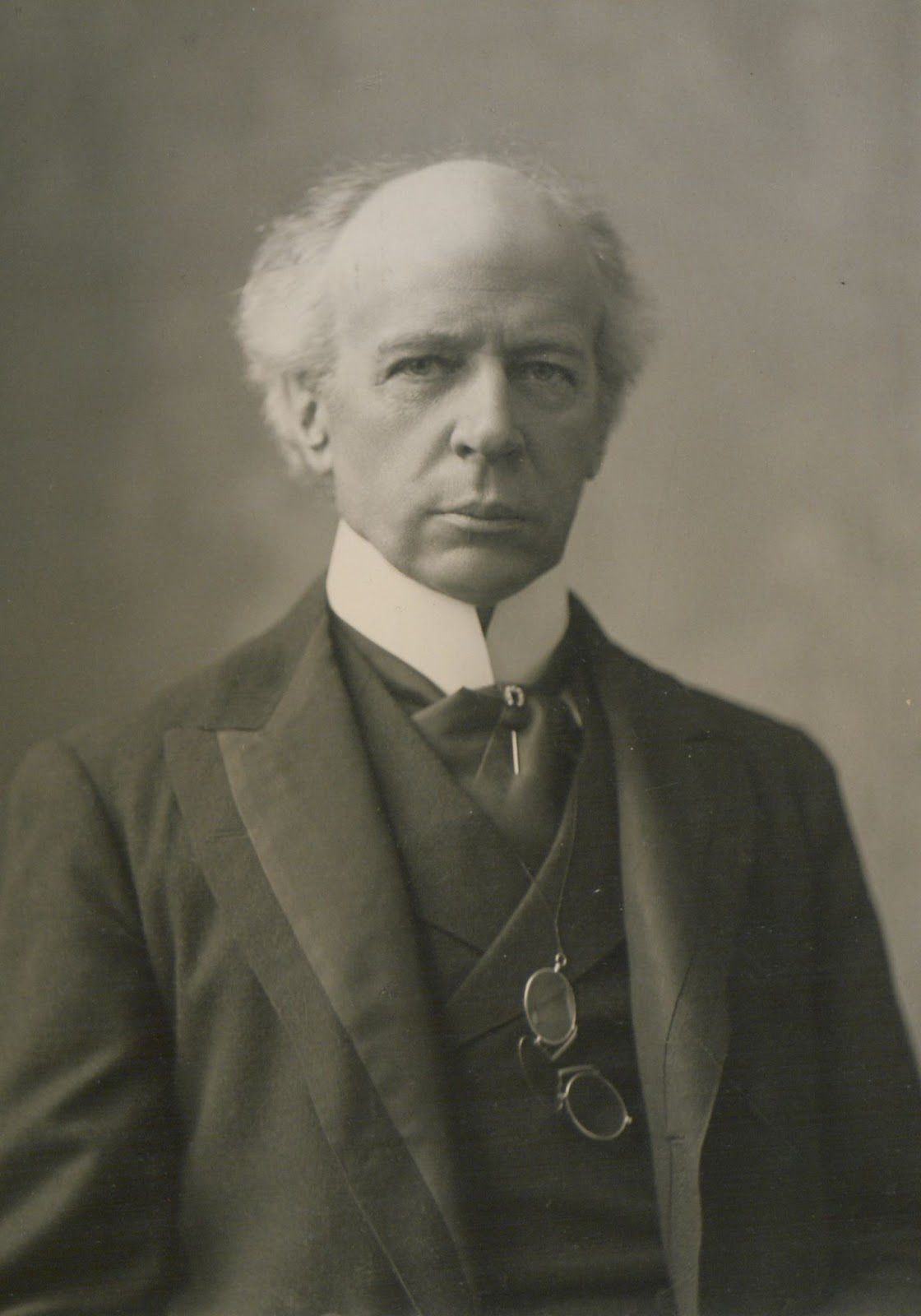
The Edmonton Board of Trade lobbied against Black immigration, creating a petition signed by approximately 3,000 people and endorsed by the Calgary, Morinville, and Fort Saskatchewan Boards of Trade. This petition was sent to Prime Minister Wilfrid Laurier.
Some organizations in Alberta, such as the women’s charity Imperial Order Daughters of the Empire (IODE), sent letters to the government expressing their dissatisfaction. These letters claimed that the influx of African Americans would deter white settlers from moving nearby. IODE and the United Farmers’ Association also sent letters citing allegations of sexual misconduct by African Americans.
Government Response
The government eventually canceled its broad advertising campaign. However, how could officials delicately convey that Western prairies were only welcoming to white farmers?
Prime Minister Wilfrid Laurier approved an Order-in-Council proposing to ban Black immigration for one year. However, the order never came into effect due to Canada’s fear of jeopardizing trade negotiations with the United States.
Instead, the government covertly worked against Black immigration. Canadian officials were sent to the U.S. to discourage African Americans from moving to Canada. The Department of Immigration introduced strict medical examinations for African Americans, giving border officials the authority to deny entry. Additionally, doctors were offered bonuses for each African American they persuaded not to enter the country.
Black Organizations and Resistance
In Alberta’s Black communities, societies formed in the early 20th century to unite Black residents and support one another in politics, art, religion, and culture. Most of these organizations were based in Edmonton, which had the largest Black population and served as the hub for several vibrant rural Black communities.
In 1914, the Universal Negro Improvement Association (UNIA) was established in Jamaica to advocate for the rights of Black people. By the 1930s, 15 UNIA branches had opened across Canada, including in Calgary and Edmonton.
Calgary also had the Coloured People’s Protective Association, which hosted a ball in October 1910 attended by 150 people, including many white allies who supported the marginalized community.
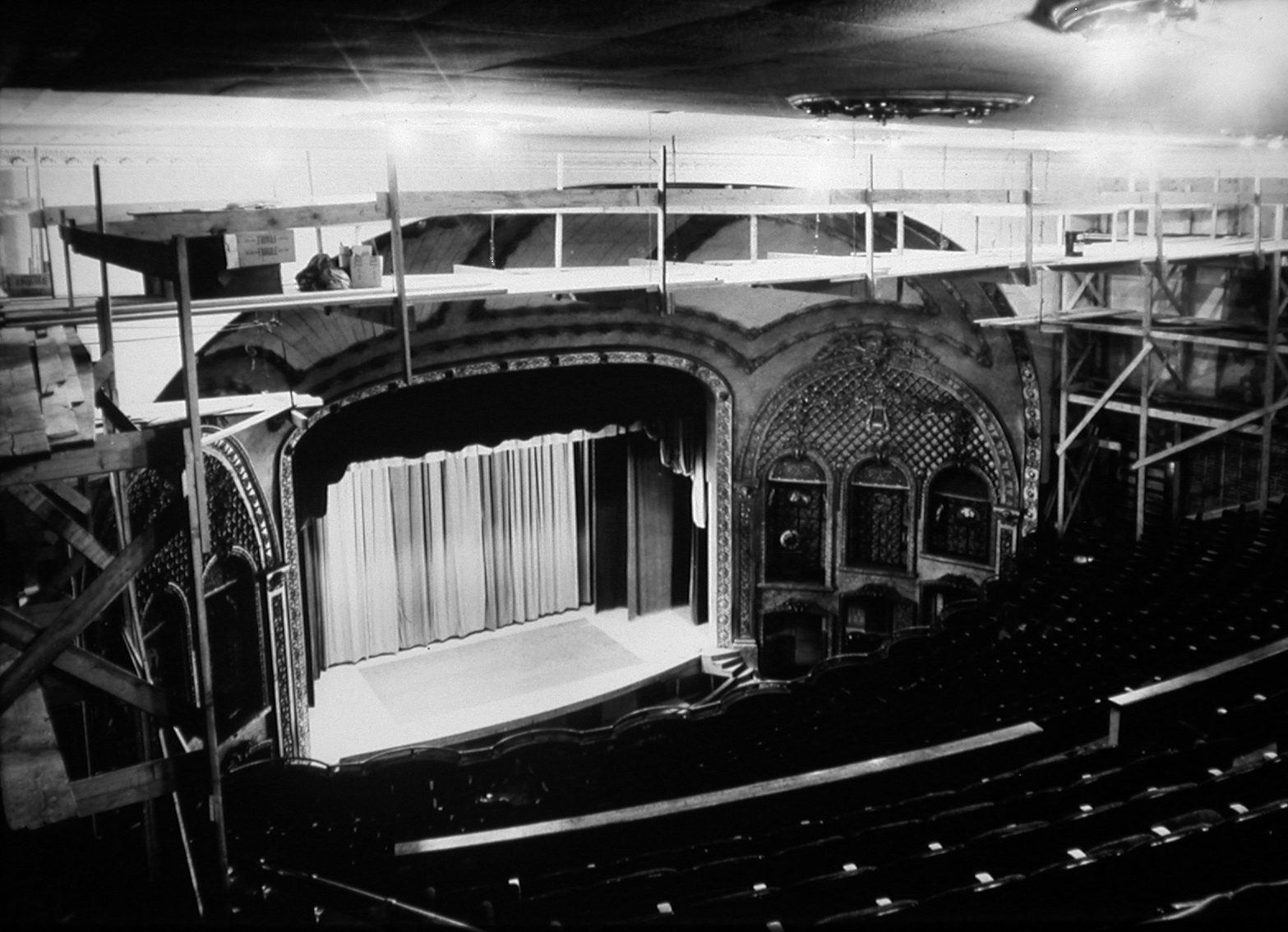
These organizations emerged as acts of resistance against discrimination. However, some individuals also responded to racism independently. For example, in 1914, Charles Daniels, a Black man, purchased tickets to a production of King Lear at Calgary’s Grand Theatre. When he arrived, he was denied his assigned seat and told to sit in the segregated “coloured” section. Daniels subsequently sued the theatre owner and director.
Ongoing Racism
Despite the formation of social organizations, racism persisted. In 1920, 472 white residents of Calgary’s Victoria Park neighborhood gathered a few blocks from the Lougheed House to draft a petition asking the city council to prohibit Black individuals from purchasing homes in their neighborhood and relocate those already living there.
City authorities consulted other Canadian cities and found no precedent for banning or segregating Black residents. Subsequently, petitioners formed a special committee comprising city council members, petition authors, two Black men, and their lawyer.
Black residents of Victoria Park were unwilling to leave but agreed to discourage other Black individuals from moving to the area. The city opted for a covert resolution to the conflict.
Black Calgarians continued to face hostility. Labor unions typically hired only white workers, and Black employees who managed to secure jobs often endured harassment. Restaurants frequently refused to serve them. However, Chinese cafe owners in Calgary welcomed Black patrons during the 1920s and 1930s.
These examples are just a fraction of the systemic racism prevalent in early 20th-century Alberta. They highlight the attitudes of white settlers and individuals in Calgary toward Black communities. This history of oppression serves as a reminder that societal injustices, past and present, must be recognized, confronted, and corrected.