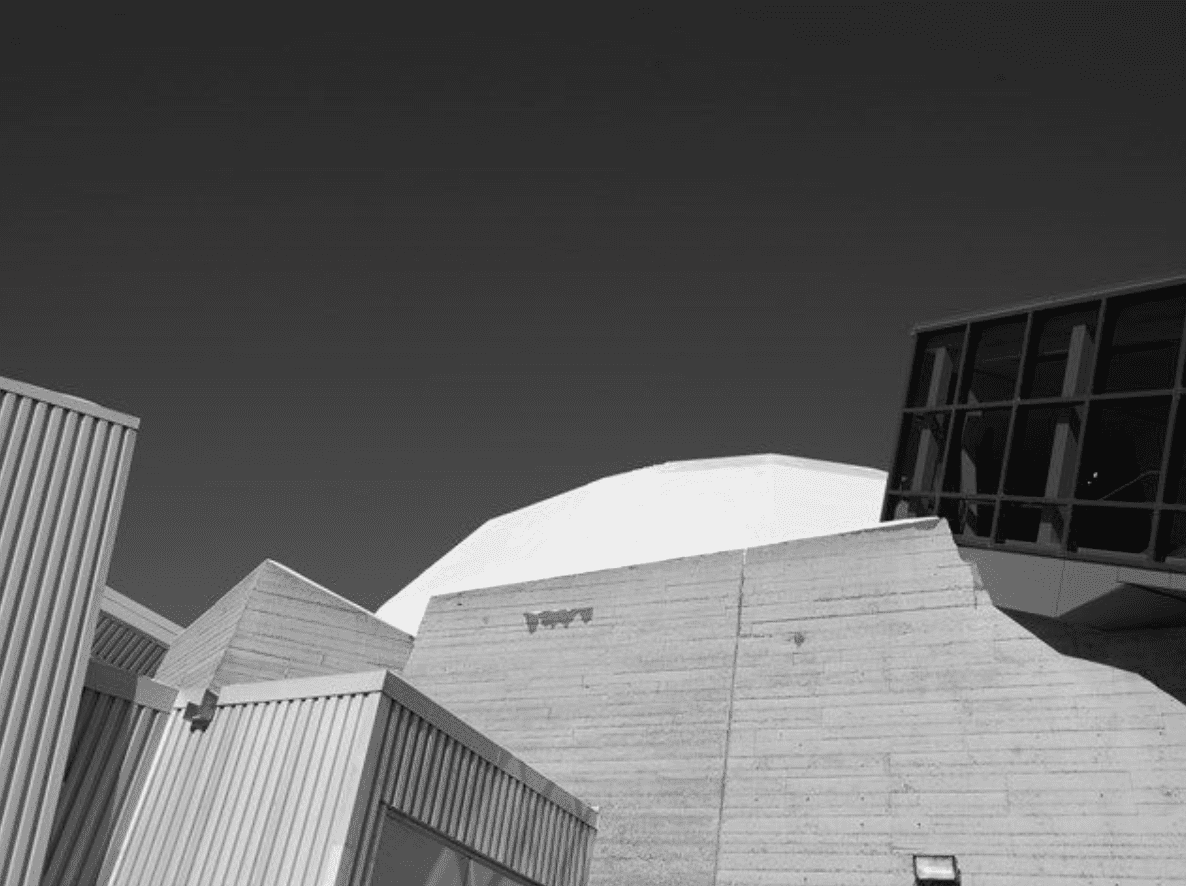

Contemporary Calgary is more than just a modern art gallery; it’s become a true cultural hub for the city. Housed in the distinctive former Centennial Planetarium building, Contemporary Calgary is driven by a mission to make modern and contemporary art accessible to a wide audience through a compelling mix of exhibitions, educational programs, and public events. This article on icalgary dives into the history and operations of this vital institution.
The Genesis of Contemporary Calgary
The gallery’s story began in 2013 when three prominent art organizations—the Institute for Modern and Contemporary Art, the Museum of Contemporary Art, and the Calgary Art Gallery—decided to merge their efforts to create Contemporary Calgary. These institutions pitched a bold idea to the city: repurpose the vacant Centennial Planetarium building into a cutting-edge gallery space.
The City of Calgary demonstrated its commitment by allocating $25 million towards the building’s necessary modernization. This was bolstered by a significant contribution of $30 million from the Government of Canada. The remaining costs were successfully covered through private donations, showcasing strong community support.
While extensive renovations were underway, Contemporary Calgary began offering limited public access two days a week starting in 2018. The official grand opening finally took place on January 23, 2020. Fittingly, the first two exhibitions celebrated the history of the building and its former life as a planetarium. The opening night itself was a resounding success, drawing a crowd of approximately 1,200 visitors.
A Look at the Iconic Building
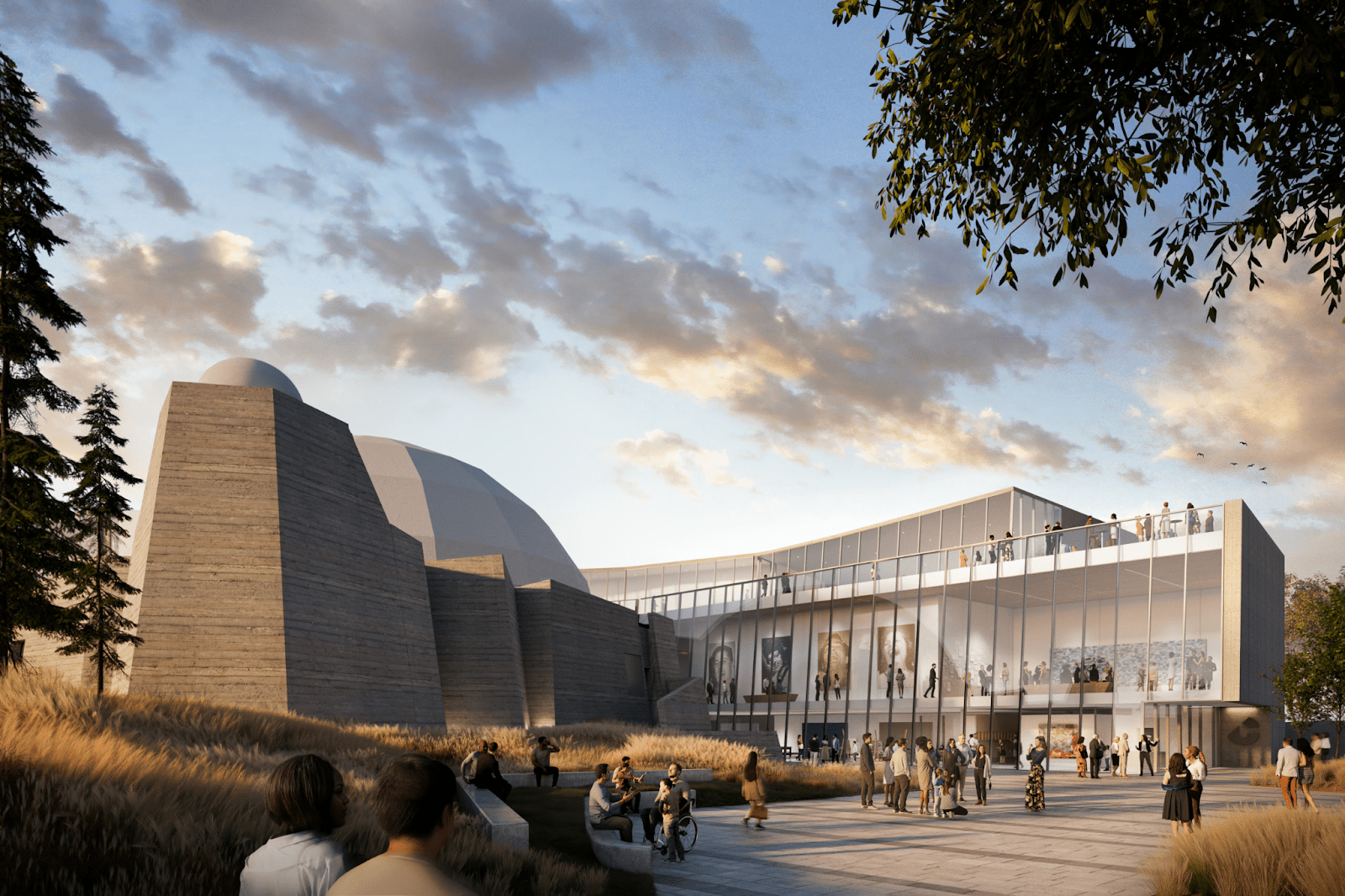
The planetarium was originally constructed in 1967 to commemorate Canada’s Centennial. It’s a striking example of Brutalist architecture, a style that emphasizes raw, exposed materials. The building remains beautiful and surprisingly modern today, defined by its massive forms, the interplay of concrete and glass, and its harmonious geometric design. A key consideration during the modernization was the need to preserve the planetarium’s unique character while seamlessly adapting the space for gallery use.
Acclaimed architect Bruce Kuwabara of KPMB Architects was selected to lead the redesign. The first phase focused on reconstructing a 7,000-square-foot gallery. Future plans for phase two include an additional 10,000-square-foot gallery, the development of a sculpture garden, and a dedicated space for special events.
Vision, Mission, and Community
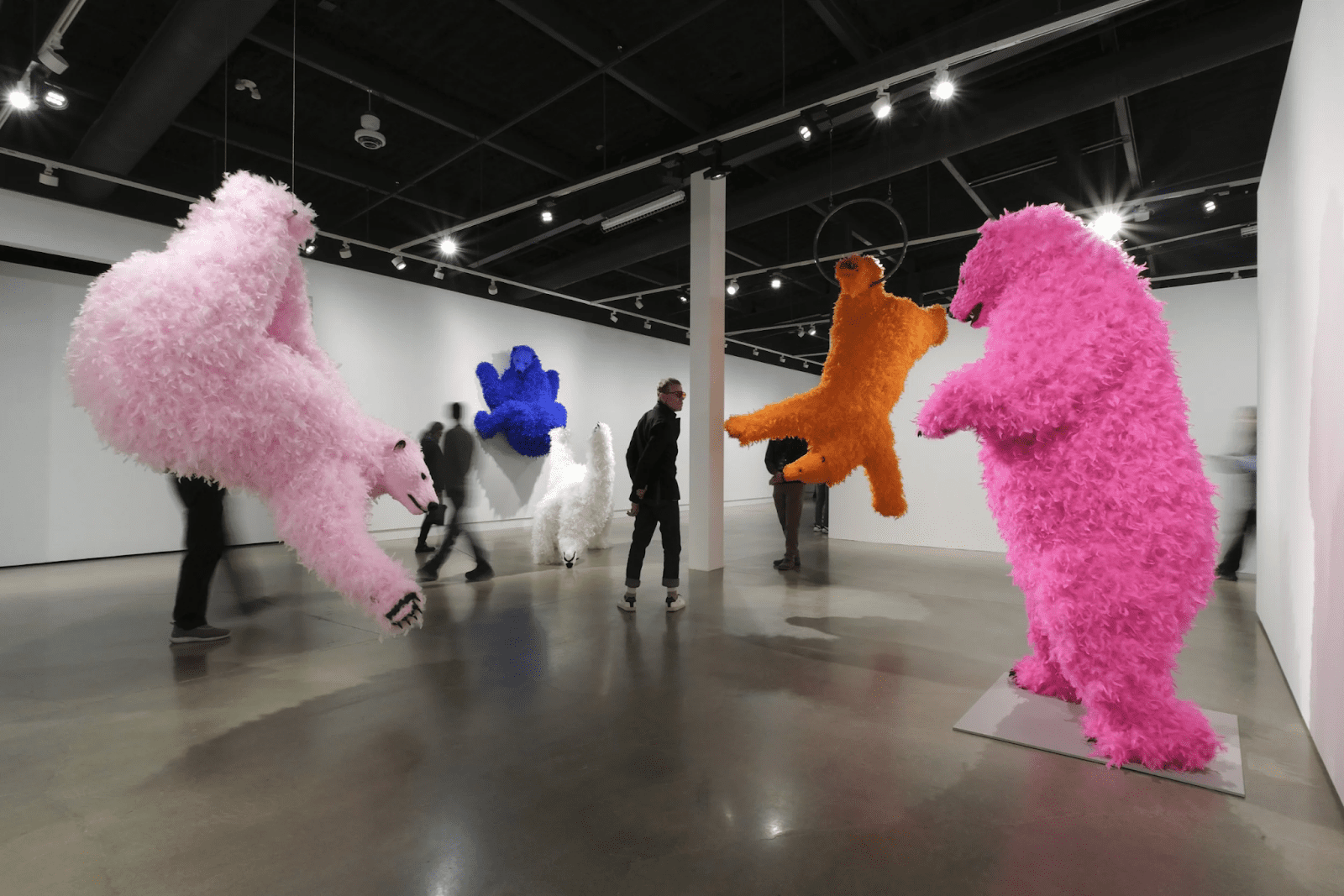
At Contemporary Calgary, visitors can explore outstanding examples of contemporary art from local, national, and international artists. As a relatively young and ambitious institution, it is dedicated to promoting key values, striving to be a welcoming and inclusive space for everyone.
The team at Contemporary Calgary firmly believes that art sparks dialogue, encourages the exploration of new ideas, and ultimately holds the power to change the world. They are a group united by a deep passion for art and a strong connection to the Calgary community.
The gallery has already presented works by global art icons, including Yoko Ono, Robert Gober, Chitra Ganesh, Diane Arbus, and Marman and Borins, solidifying its place on the international stage.
The Director’s Role
Since its inception, the gallery has been guided by David Leinster, a leader known for his strong vision, creative thinking, and openness to collaborative partnerships with various institutions. Since 2018, Leinster has been singularly dedicated to the gallery and its mission of making contemporary art accessible to all Calgarians and visitors.
Under his direction, Contemporary Calgary has navigated several crucial phases of transformation. He was the driving force behind securing the 35-year lease on the former planetarium, which has ensured the institution can realize its goal of becoming one of the world’s premier contemporary art galleries. He also successfully spearheaded the campaign to secure the $30 million in federal government funding for the major renovations.
Prior to leading Contemporary Calgary, Leinster worked at Enbridge and later managed the Karo Group. These roles provided him with a comprehensive understanding of business operations and equipped him with invaluable skills, proving essential for managing a large-scale cultural organization.
Today, Contemporary Calgary stands as much more than just a gallery—it is a vibrant centre for culture and dialogue in the city. It has successfully established itself as a crucial platform for artists from around the globe. By making contemporary art available and engaging for everyone, Contemporary Calgary proves that cultural institutions have the power to transform cities and truly inspire people.