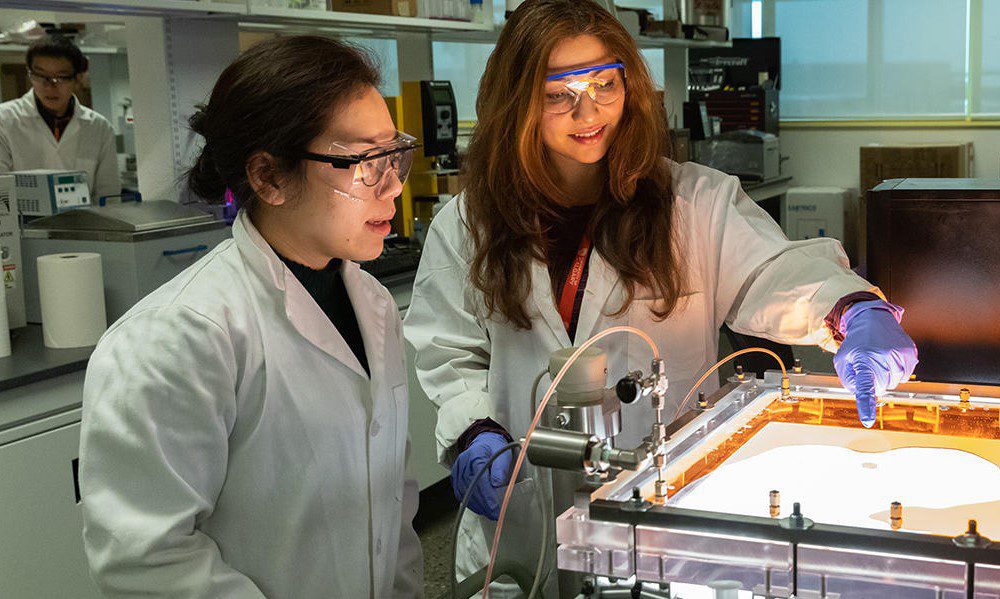

The University of Calgary is one of Canada’s premier research institutions. Its diverse community includes curious and driven students from around the globe, highly qualified faculty, and dedicated staff who create an environment fostering experimentation, academic potential, and groundbreaking discoveries.
The university conducts research that changes the world. Its mission is to uncover new knowledge and translate it into programs benefiting society. Researchers explore a wide range of disciplines—from using MRI to understand childhood brain development to online surveys studying social media interactions. Learn more about some of the top researchers at the University of Calgary on icalgary.
Suzan Benseler
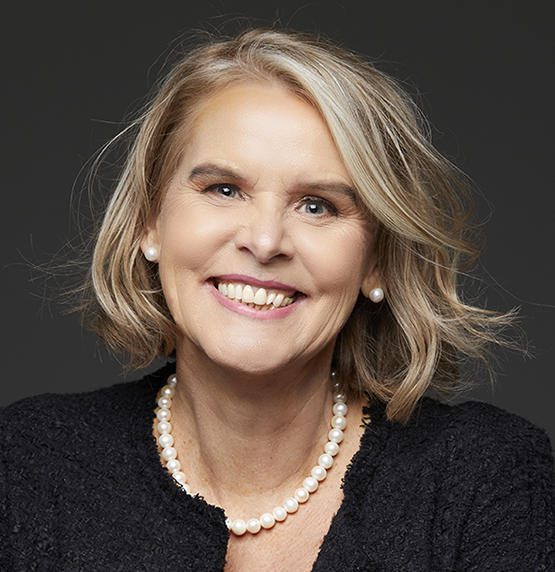
Professor in the Department of Pediatrics at the Cumming School of Medicine; Pediatric Rheumatologist at Alberta Children’s Hospital, Alberta Health Services; Director of the Alberta Children’s Hospital Research Institute.
Benseler is an international leader in studying pediatric inflammatory diseases. She established a global research program for children with brain inflammation. Her studies enable early detection and effective treatment of inflammation. While working with the Understanding Childhood Arthritis Network, Benseler developed precise health strategies for childhood arthritis, integrating genomic research, innovative e-health solutions, and economic evaluations.
Keith Dobson
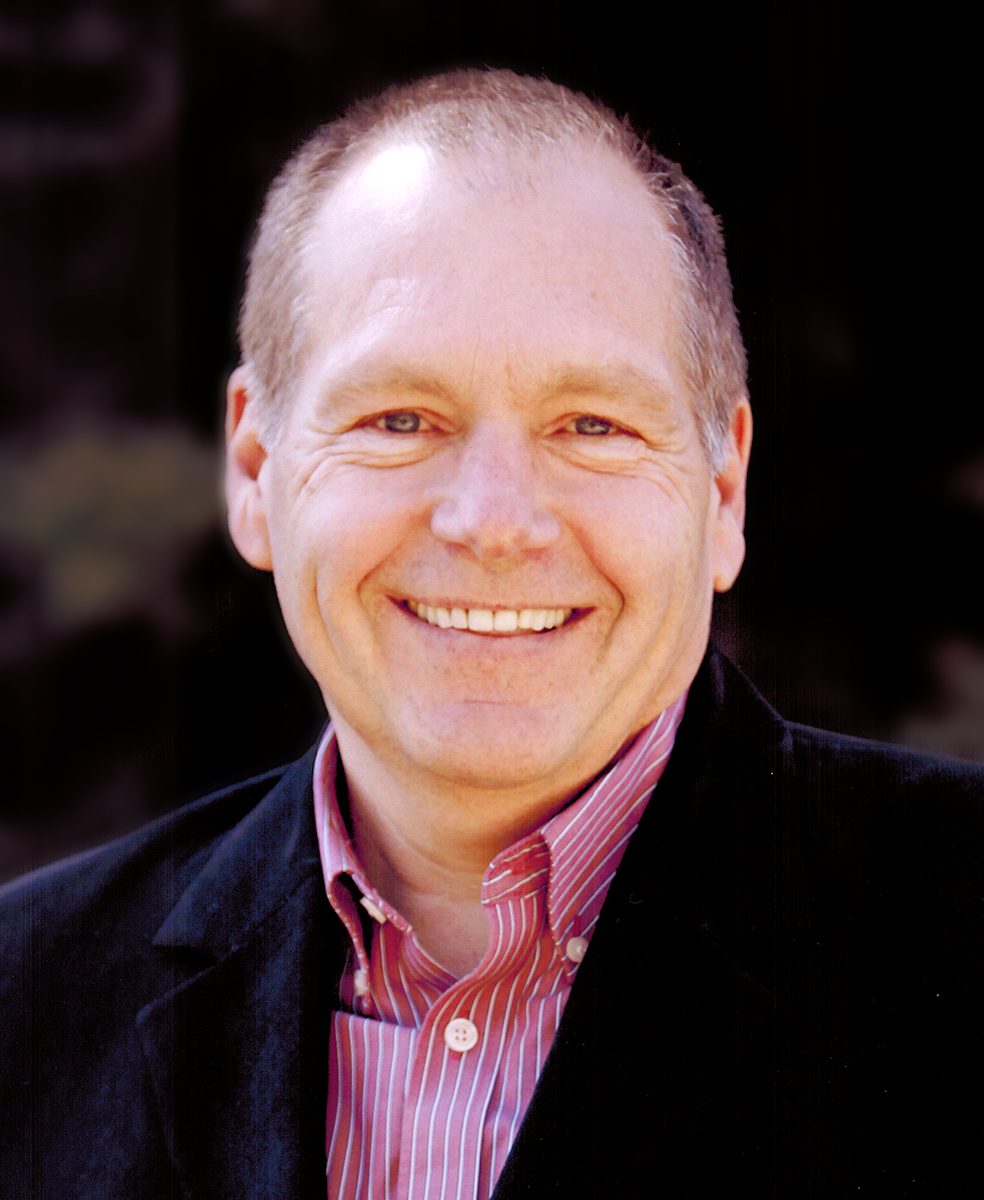
Professor of Clinical Psychology and a member of the Hotchkiss Brain Institute at the Cumming School of Medicine. Dobson is one of the world’s most renowned and influential psychologists, whose work has significantly shaped how practitioners assist individuals with mental health disorders.
Dobson’s research primarily focuses on cognitive and psychopathological conditions, especially depression. He has worked on cognitive models and mechanisms during depression, as well as its treatment. His hallmark research involves cognitive-behavioral therapy, with mental health programs he co-developed improving the psychological well-being of countless Canadians.
Morley Hollenberg
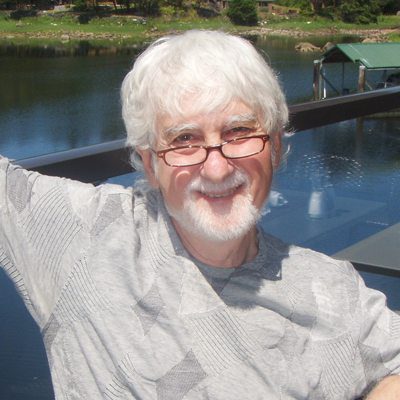
Professor in the Department of Physiology, Pharmacology, and Medicine at the Cumming School of Medicine. Hollenberg is a researcher in the biosynthesis and action of peptide hormones (e.g., oxytocin, insulin, vasopressin, epidermal growth factor), as well as molecular pharmacology and pathophysiology.
His research aims to understand inflammation processes in the vascular system, gastrointestinal tract, kidneys, central nervous system, and tumors. Hollenberg is a medical molecular pharmacologist with extensive expertise in chemistry, pharmacology, and endocrinology.
Saul Greenberg

Professor in the Faculty of Computer Science. Although his training is in computer science, Greenberg has extensively explored interdisciplinary aspects of human-computer interaction.
He and his team developed toolkits for rapid prototyping of groupware and ubiquitous devices, innovative systems based on social behavior observations, and social science theories oriented toward design. Greenberg was inducted into the CHI Academy, an honorary group of individuals who made substantial contributions to human-computer interaction. He has consulted for renowned companies as an expert witness in patent infringement cases. Greenberg also created the Timelapse Image Analyzer, widely used by researchers to encode data. His dedication to making his tools, systems, and teaching resources accessible to other researchers and educators is well-known.
Steve Larter
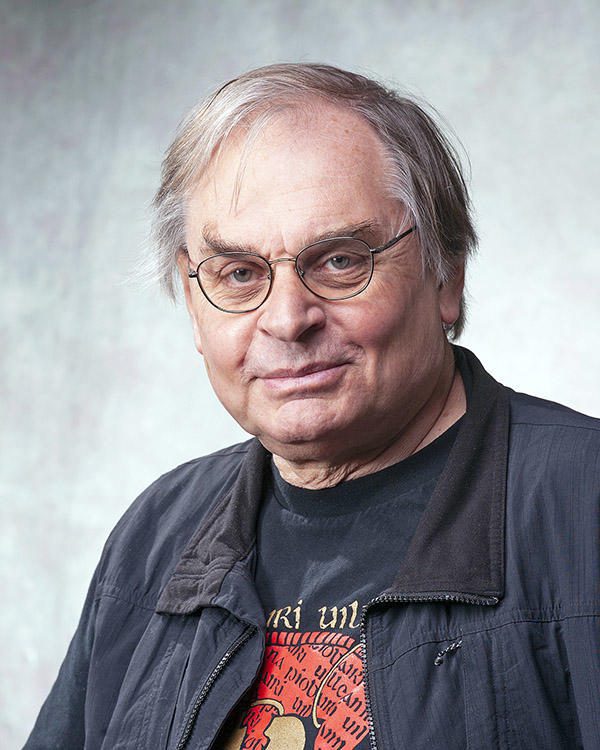
Honorary Professor in the Faculty of Science. Larter, a geochemist, co-founded multiple tech start-ups and served as Chief Scientific Officer at Creative Destruction Lab-Rockies. He worked on transitional technologies for zero-emission energy recovery and researched direct hydrogen and electricity production from oil and gas reservoirs.
Larter studied calcite and kaolinite formed during the Late Kimmerian erosion period. He visited the Huldra and Veslefrikk fields, comparing his findings. His research on adding saline solutions to the Huldra field revealed fluid releases replacing paleometeoric water, absent at Veslefrikk. He also investigated oil reservoirs at Ula, collecting quartz, albite, and orthoclase minerals. His team uncovered why Ula’s oilfields change so rapidly.
John Gilleard
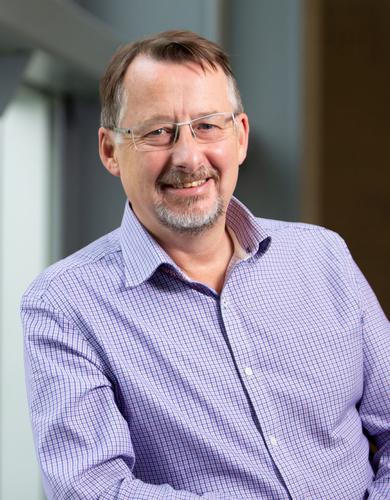
Professor in the Department of Comparative Biology and Experimental Medicine at the Faculty of Veterinary Medicine, member of the Alberta Children’s Hospital Research Institute, and Snyder Institute for Chronic Diseases.
Gilleard is a globally recognized parasitologist and veterinarian. His work explores genomics, molecular biology, and genetics to uncover molecular mechanisms behind human and animal parasite drug resistance. He collaborates with global health agencies and has held high-ranking academic leadership positions.
Gilaad Kaplan
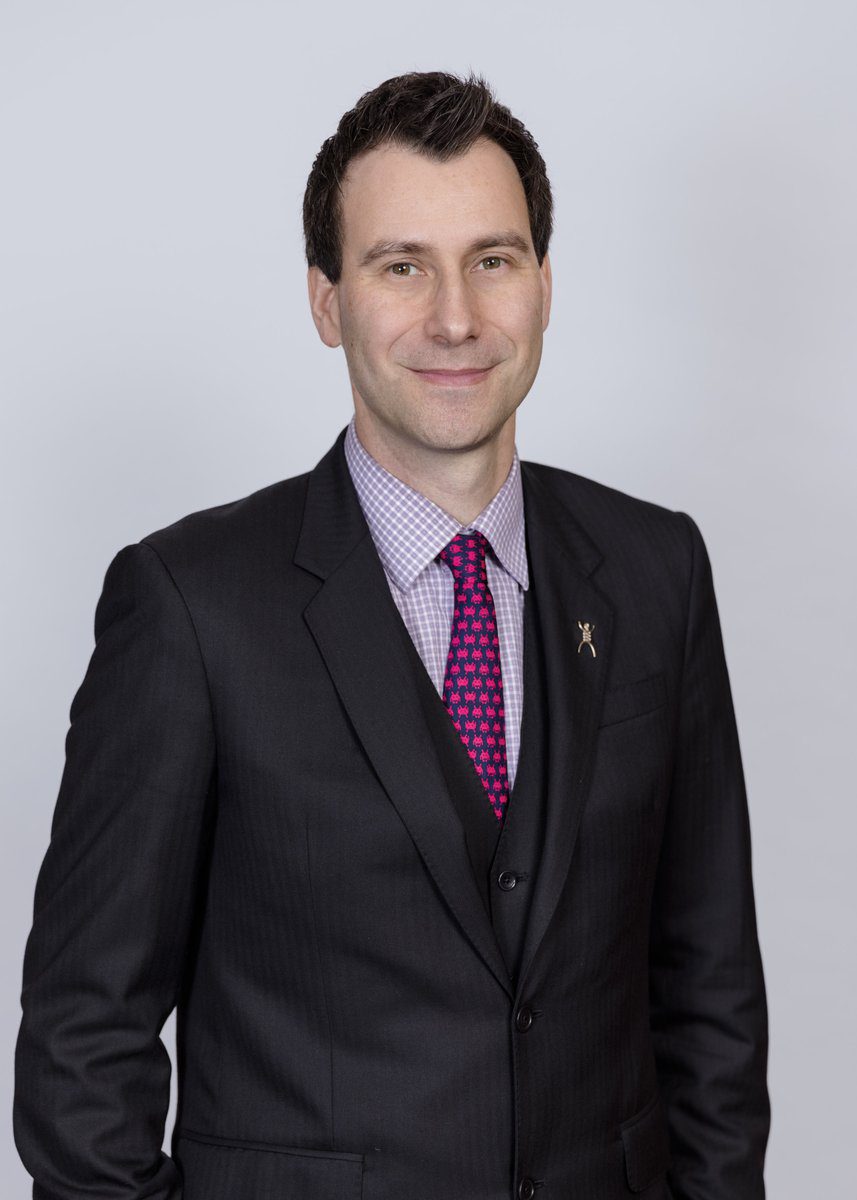
Professor in the Departments of Medicine and Community Health Sciences at the Cumming School of Medicine, member of the Snyder Institute for Chronic Diseases and O’Brien Institute for Public Health.
Kaplan is a gastroenterologist and epidemiologist known for his studies on the global epidemiology of digestive diseases. He chaired the Crohn’s and Colitis Canada (CCC) Scientific and Medical Advisory Council and co-chaired the CCC National COVID-IBD Task Force. Kaplan is a member of the American Gastroenterological Association.
Rangaraj Rangayyan
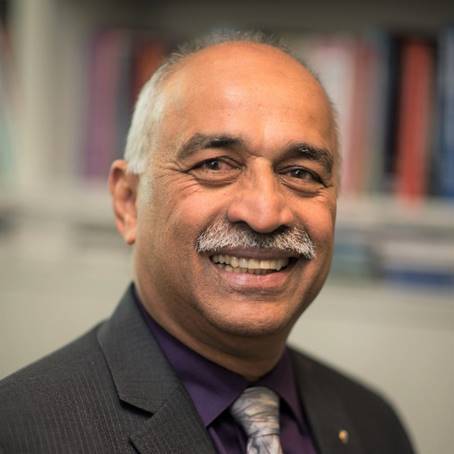
Honorary Professor of Electrical and Computer Engineering. Rangayyan is renowned for his artificial intelligence research, covering diverse topics like mammography and architectural distortions.
Many of his research projects in pattern recognition are closely tied to fractal dimension studies. He investigated receiver operating characteristics in artificial neural networks and radial basis functions.
Marcello Tonelli
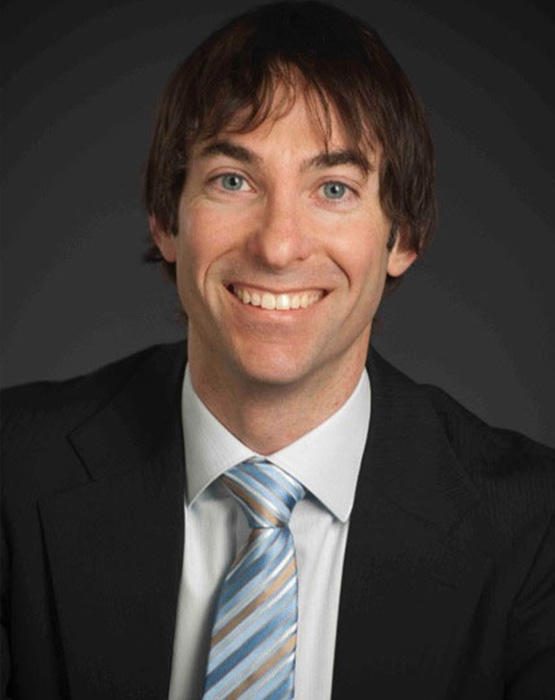
Professor of Medicine at the Cumming School of Medicine and nephrologist. Tonelli’s research focuses on improving care for people with chronic kidney disease and other non-communicable diseases. He is one of the leaders of the Alberta Interdisciplinary Collaboration for Chronic Disease Prevention. Tonelli is an honorary chair of the Canadian Task Force on Preventive Health Care and a former president of the Canadian Society of Nephrology.
He is a member of the Canadian Academy of Health Sciences and the American Society for Clinical Investigation. Tonelli serves on the Governing Council of the Canadian Institutes of Health Research (CIHR) and chairs its Standing Committee on Ethics. He established the Pan-American Health Organization Collaboration Centre for Chronic Kidney Disease Prevention and Control.
Tonelli volunteered with the WHO to address non-communicable diseases following natural disasters and civil conflicts.