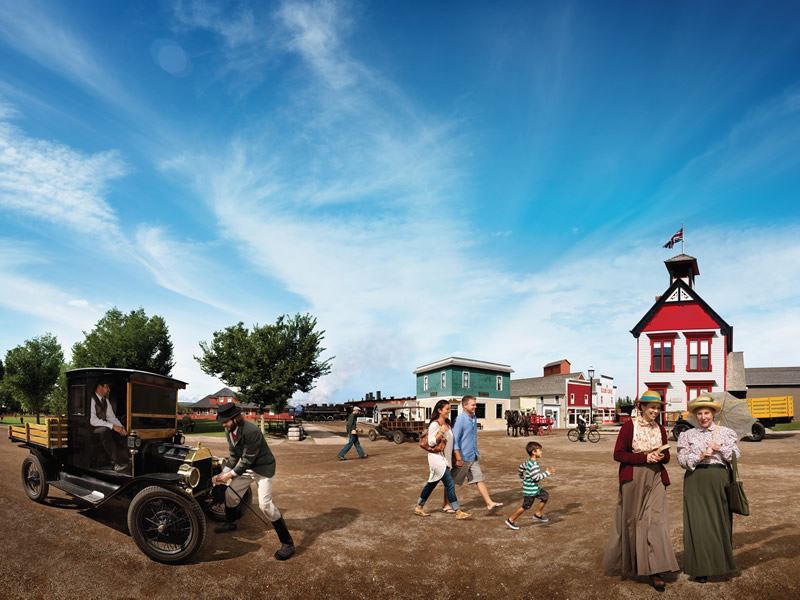

Calgary offers something for everyone: outdoor adventures, exceptional shopping, and many attractions that invite you to delve into the history shaping the city and the province. Learn about Calgary’s best historical museums below on icalgary.
Glenbow Museum
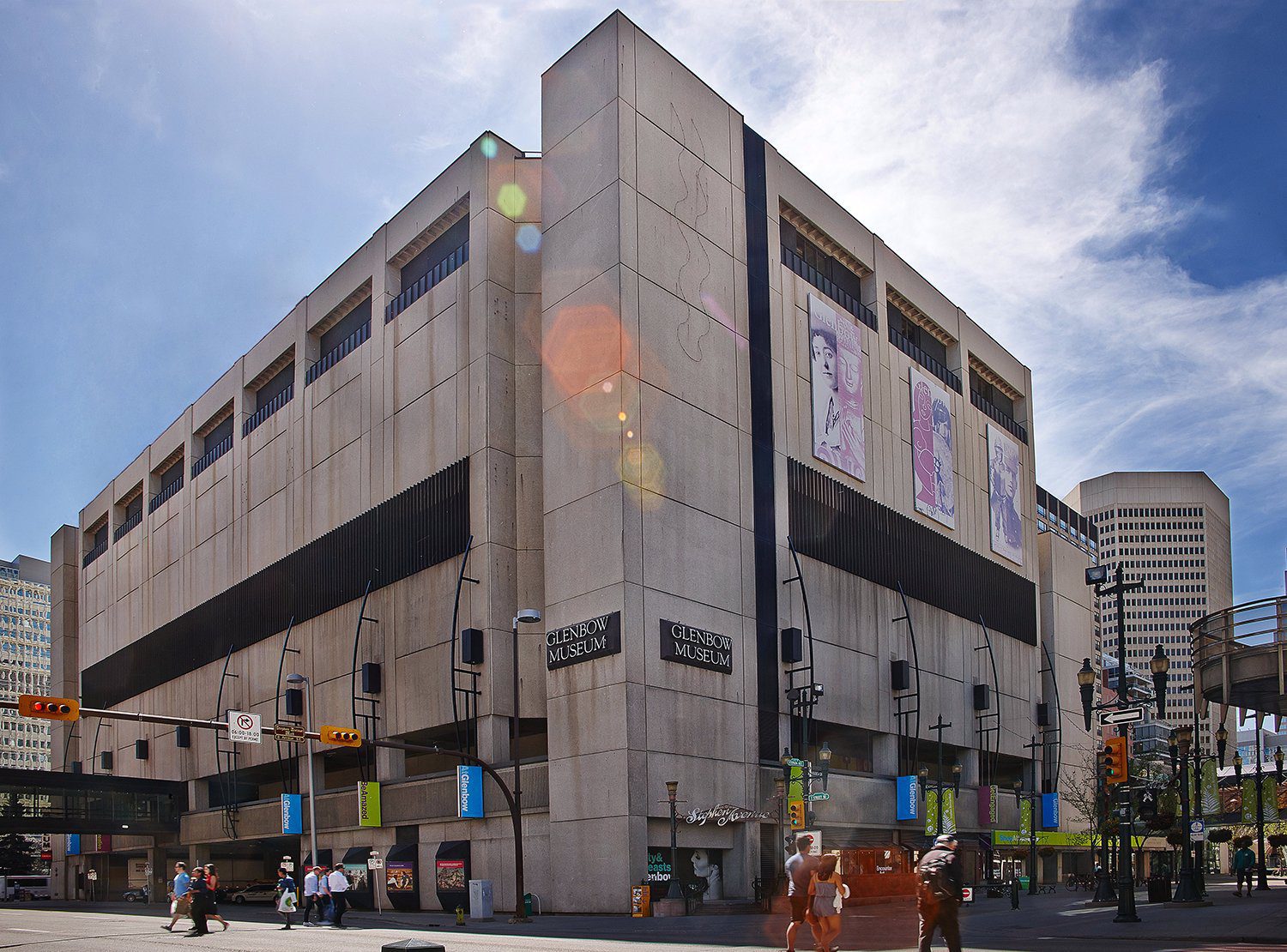
In 1955, entrepreneur and philanthropist Eric Lafferty Harvie established a private non-profit foundation to enhance public understanding of the history and heritage of Western Canada. He contributed materials from his personal collection to the foundation, initially housed on the William Roper Hull ranch.
The foundation consisted of a library, archives, an art collection, a department of historical research, and the Luxton Museum in Banff. Over time, departments of photography, archaeology, and ethnology were added, leading to the creation of the Glenbow Museum in 1966. By 1976, the museum relocated to a downtown building across from Calgary Tower.
As one of Canada’s largest museums, its mission is to document the settlement and development of Western Canada. With 20 exhibition halls, the museum holds over a million artifacts, showcasing stories from Canada and around the globe. Notable exhibits highlight how Canadians worked, relaxed, worshipped, and lived.
In 2019, Glenbow Museum welcomed 148,668 visitors. It closed in 2021 for a three-year renovation.
Heritage Park Historical Village
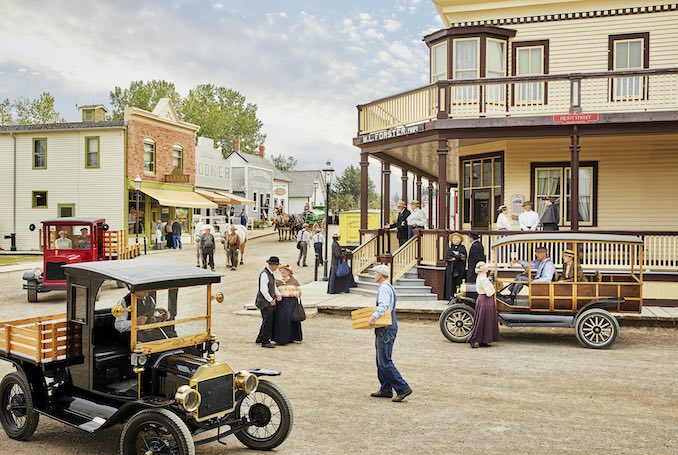
Heritage Park is a historical museum park on the Glenmore Reservoir, designed as a 20th-century village. Opened in 1964, it is among Calgary’s top tourist attractions.
The park features over 200 exhibits telling the story of Western Canada from the 1860s to the 1950s. Visitors are greeted by an authentic steam locomotive. The First Nations Encampment showcases tipi history, while other areas illustrate prairie life during the fur trade era.
Many original buildings were relocated to the park, while others are replicas. Structures are adorned with authentic artifacts, and staff don historical costumes. Guests can explore the park via antique vehicles and horse-drawn carriages.
The park operates from late May until Thanksgiving (early October in Canada), with the Heritage Town Square open year-round.
Gasoline Alley Museum
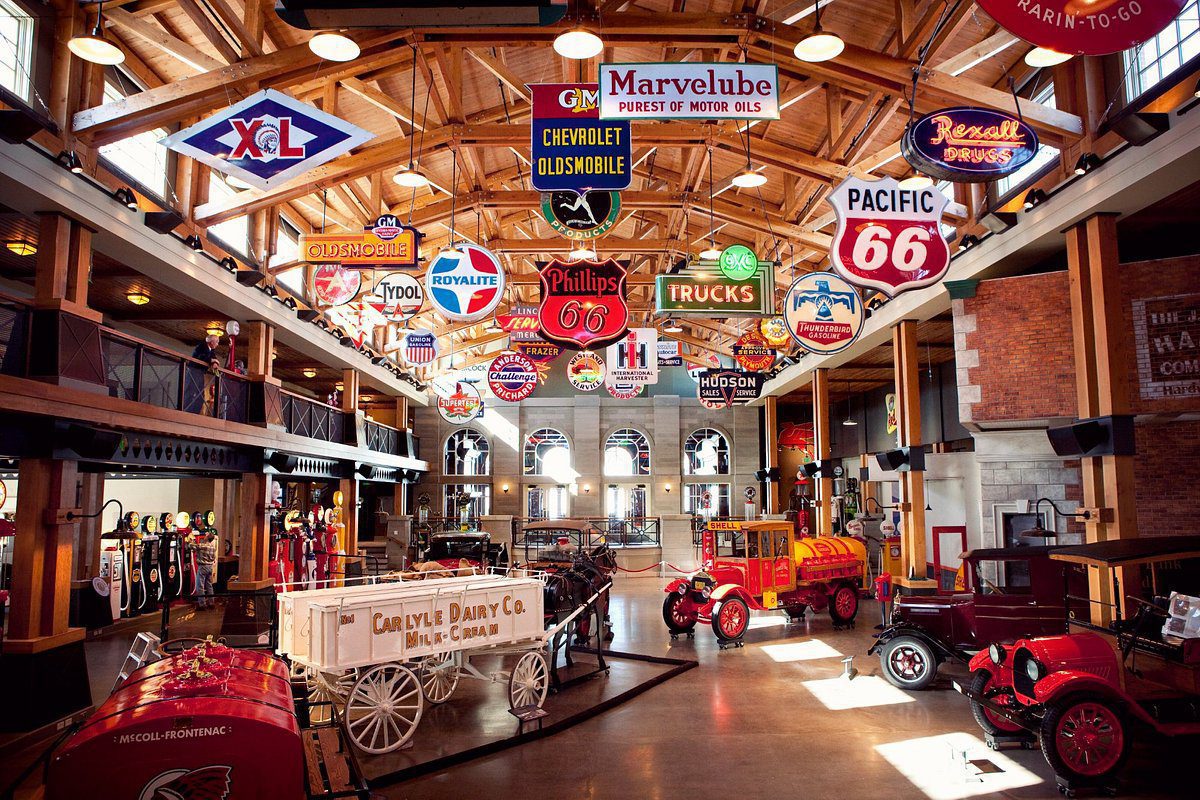
For car enthusiasts, a visit to Gasoline Alley in Heritage Park is a must. This three-story museum houses one of the world’s largest collections of vintage vehicles and petroleum-related artifacts, including restored gas pumps and trucks.
Discover Alberta’s iconic 20th-century Whiskey Runner car, learn about the “Dirty Thirties,” and see vehicles that ruled the roads before traffic rules existed.
Fort Calgary
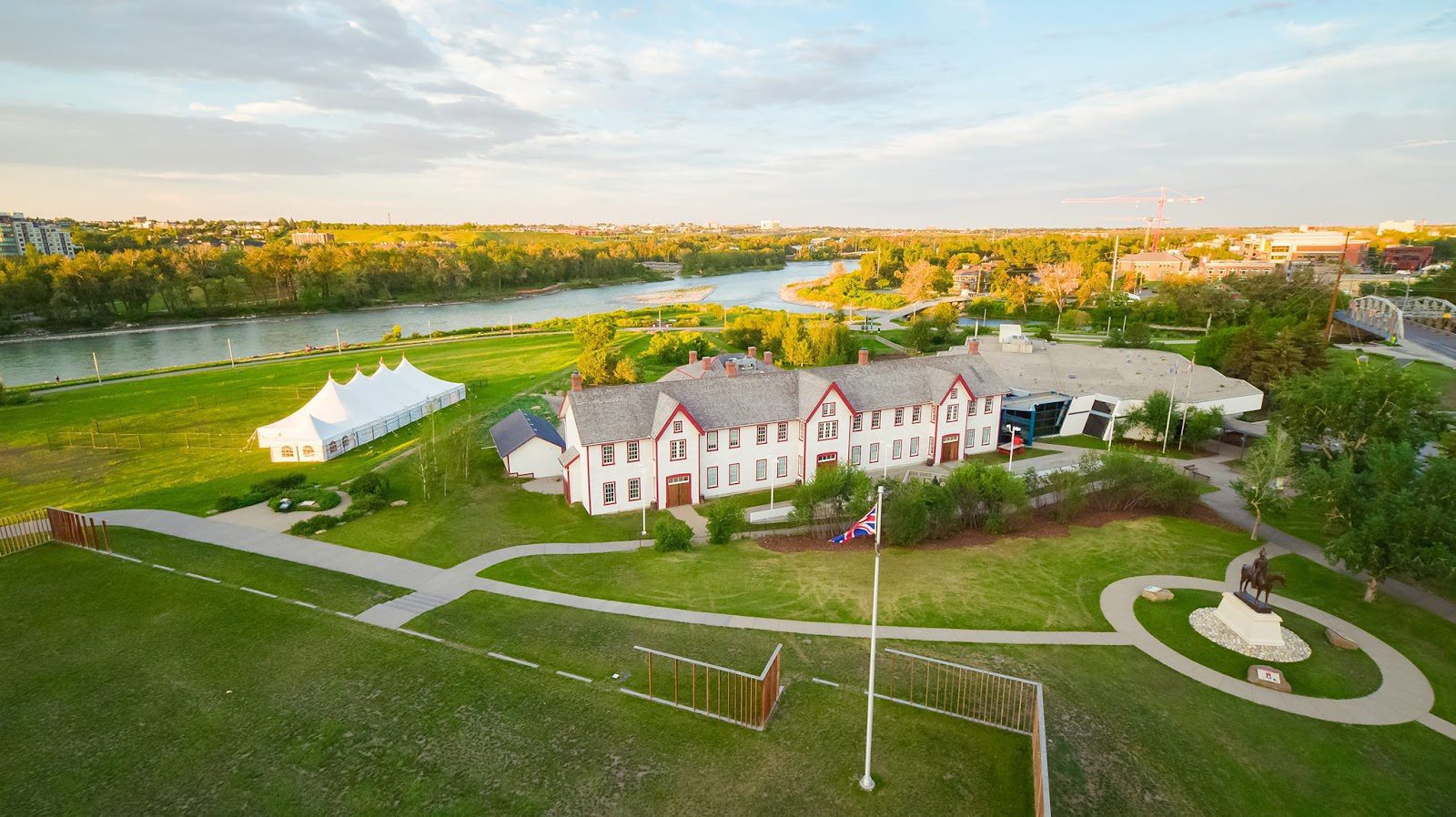
History buffs won’t want to miss Fort Calgary, where you can learn about the city’s early days. Once a North-West Mounted Police outpost, the fort is located at the confluence of the Bow and Elbow Rivers.
This site was also a camping ground for Indigenous peoples. Grand Trunk Pacific Railway demolished the original fort in 1914 to build a rail terminal.
In 1977, an interpretation centre and additional structures, including replicas of the two-story barracks, were added. These house exhibits detailing the Mounted Police’s role in Calgary’s history and their relations with Indigenous communities.
Across the Elbow River is the Dean House, built in 1906 for Superintendent Richard Burton Dean. Initially on the opposite riverbank, the house was relocated and now serves as an upscale restaurant.
Nearby, the Hunt House is Calgary’s oldest building, constructed between 1876 and 1881 for Hudson’s Bay Company employees. Its last railway worker resident, William Hunt, lived there until the mid-1970s.
The Military Museums
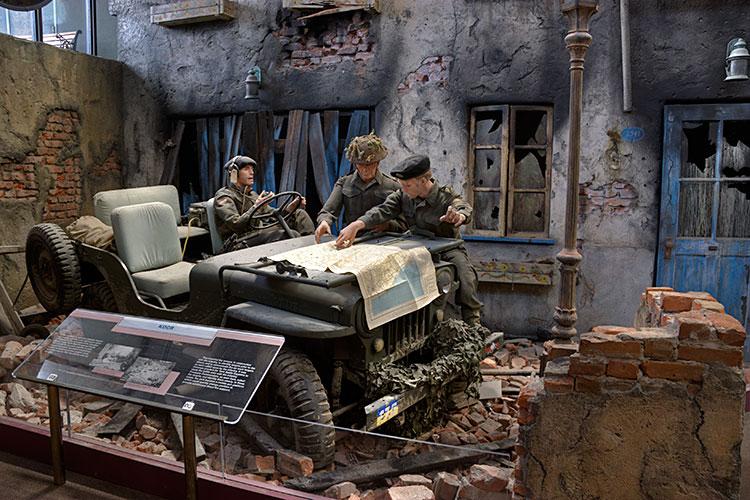
Calgary’s Military Museums comprise eight different museums and galleries, restructured from the former Museum of the Regiments, opened by Queen Elizabeth II on June 30, 1990.
These museums preserve and document the history of Canada’s military commands, the Royal Canadian Navy, the Canadian Army, and the Royal Canadian Air Force. They recount Canadian military history from the War of 1812 to the Afghan War.
Outside, visitors can see military equipment, such as a CF-5 Freedom Fighter jet. The museum also houses a piece of the World Trade Center, destroyed on September 11, 2001, honoring Calgary firefighters and others who helped in the aftermath.
The Hangar Flight Museum
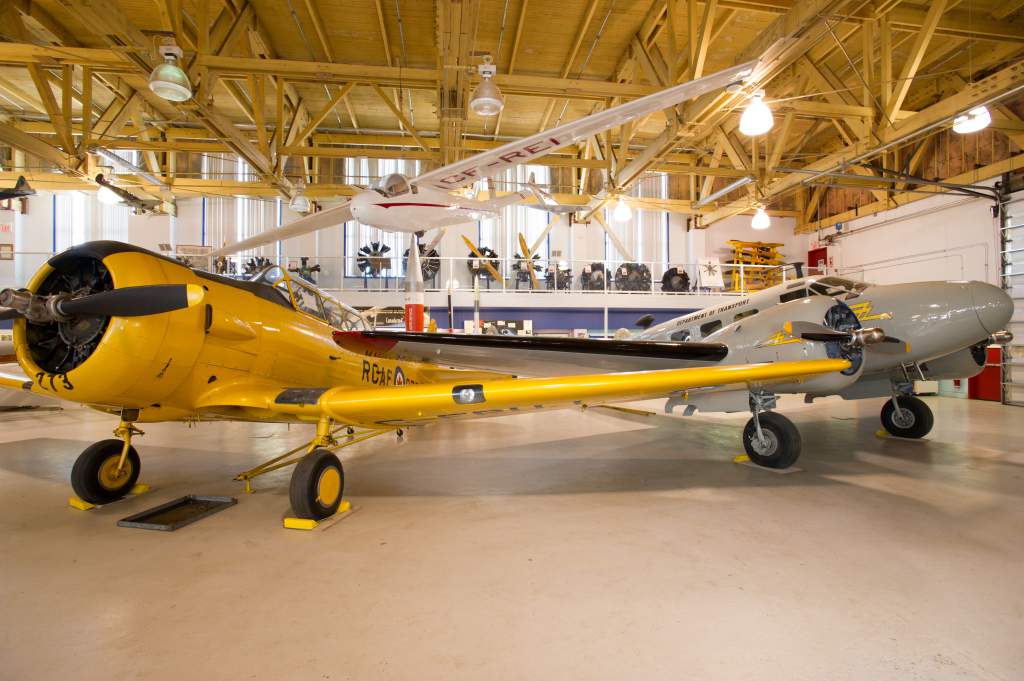
Founded in 1975 by aviation enthusiasts and World War II pilots, the Hangar Flight Museum initially resided on Calgary’s Canadian Armed Forces base. In 1985, it moved to a former British Commonwealth Air Training Plan hangar near Calgary International Airport. It was known as the Calgary Aerospace Museum until 2016.
The museum showcases over 20 aircraft, gliders, and helicopters. It also includes Canada’s Aviation Hall of Fame and archives documenting aeronautical history.
National Music Centre / Studio Bell
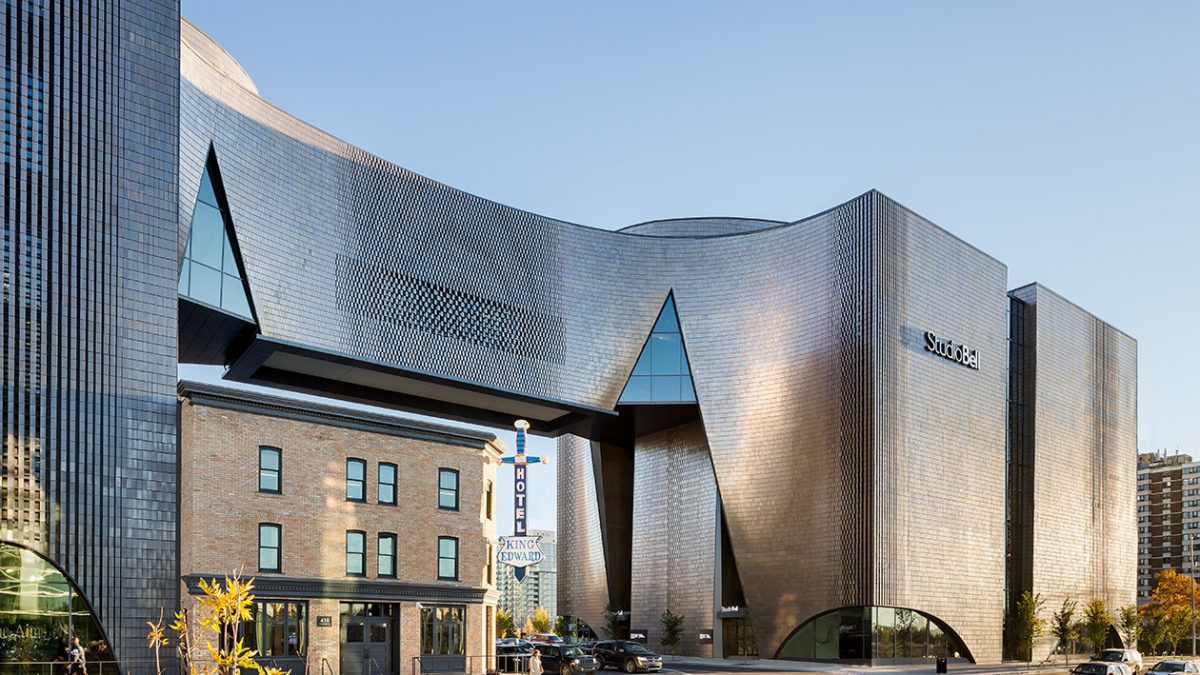
Located in East Village, Studio Bell is both an architectural marvel and a hub of history. It serves as a cultural venue and museum, housing over 2,000 musical artifacts, including historical instruments used by Canadians over 450 years. The centre chronicles Canadian music history, offering insights into Calgary and Canada’s cultural evolution.
Four Canadian Music Hall of Fame galleries honor prominent figures in Canada’s music industry. Highlights include the Rolling Stones Mobile Studio and one of Elton John’s pianos.
A must-see is the Kimball Theatre Organ, built in 1924 for silent films. Many exhibits are interactive and child-friendly.
Lougheed House
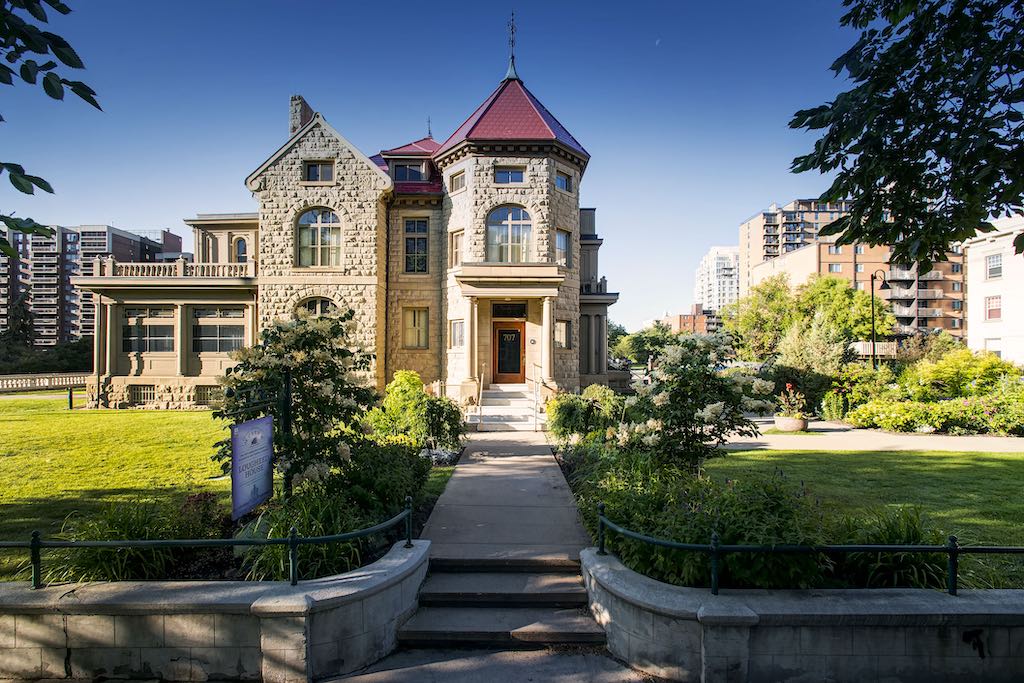
The Lougheed House is a sandstone mansion in the Beltline district, built in 1891. Its intricate roofline and twin towers set it apart from nearby buildings.
The museum offers a glimpse into the daily life of one of Calgary’s most influential families. It hosts rotating exhibits and features a restaurant serving modern and historic dishes.
Surrounding the house are the Beaulieu Gardens, a popular Victorian-era venue for elite gatherings. The Lougheeds hosted high-profile guests, including the Prince of Wales.