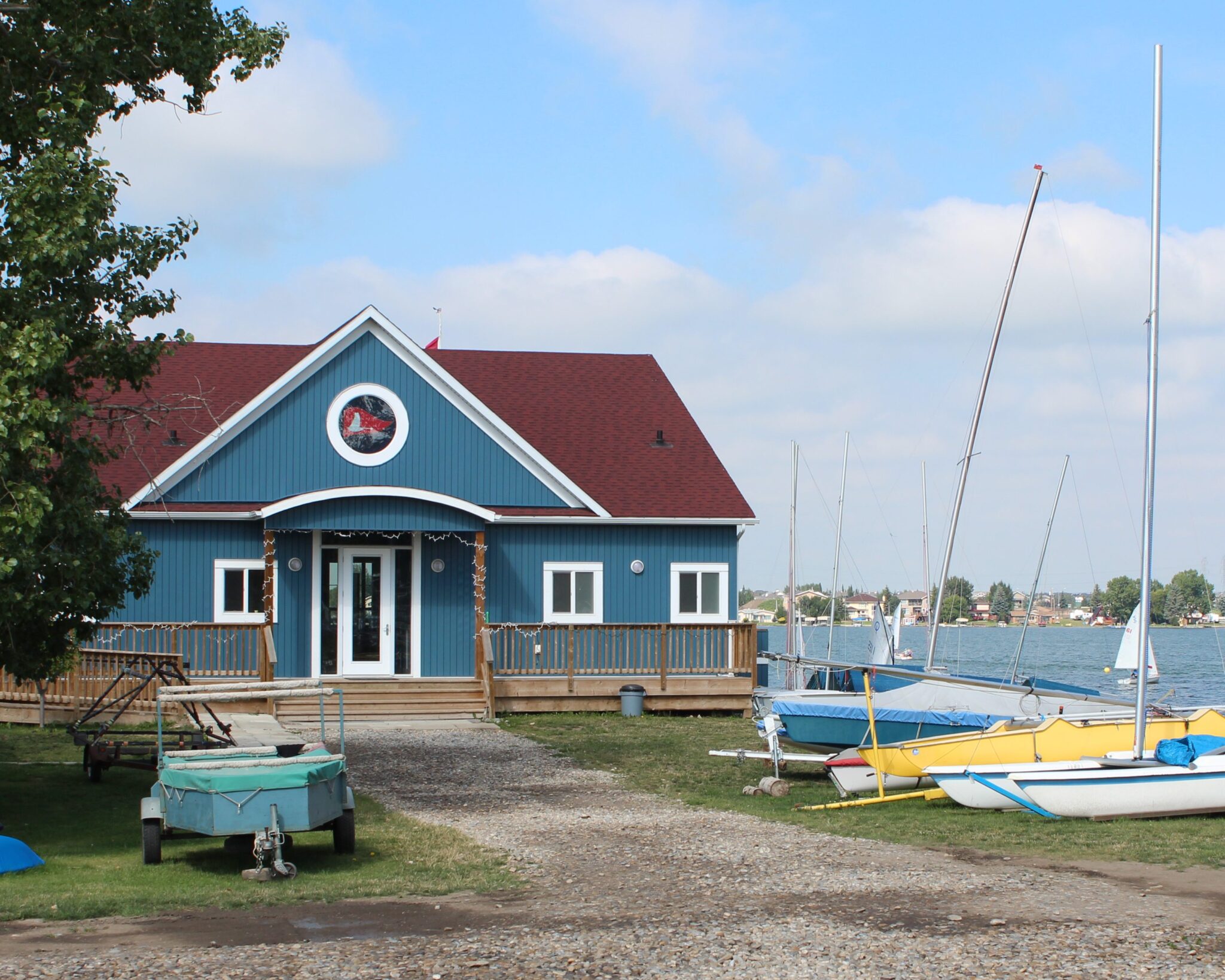

The Calgary Yacht Club (CYC) is located on two acres of waterfront on the eastern shore of Lake Chestermere. The members of this club enjoy boating, educational and social activities. A non-profit organization, the club is run by dedicated employees who volunteer their time and effort to develop and promote sailing in Calgary. Learn more about the story of CYC and its creators at icalgary.
Built by the first Calgari sailors
In 1923, the first sailboat appeared on Chestermere Lake, owned by Morris Shyback. In 1924, Roy Lee bought a 15-foot boat called The Native Daughter and sparked the interest of Calgary Police Officer Mike O’Sullivan in this sport. The three men subsequently went on to form the Calgary Sailing Club. Shyback’s boat was named Miss Calgary, while the O’Sullivan’s got the name The Gleaner after the first boat he sailed in Ireland.
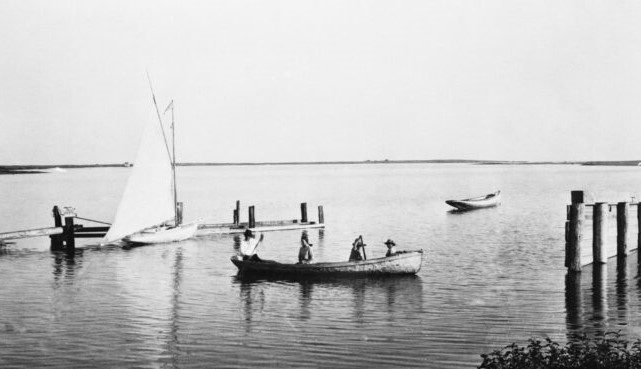
Along with the growing number of these sports enthusiasts, the need for a specialized boat storage space grew as well. In the 1920s, the first sailors transformed one of the buildings into a yacht clubhouse. George Hoffner established a small storehouse on the east bank (where The Landing is now) in the 1930s. Hoffner was an outspoken supporter of local rowers and boat sailors. Also, he granted the Hoffner Cup to the most talented.
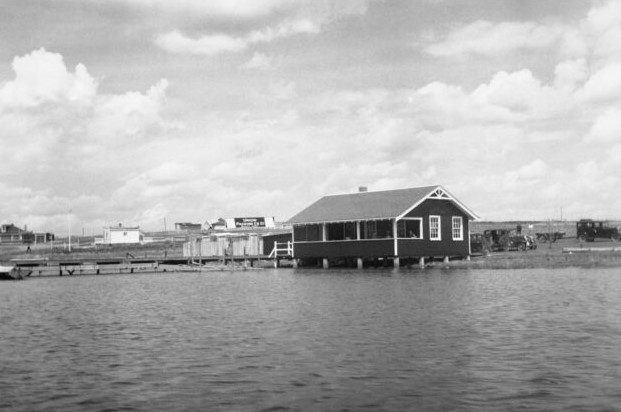
When Highway No. 1 was laid across the lake, the location of the yacht club had to be changed. As a result, in 1934, they built a new building further south, on the opposite side of the road and bridge, on the leased property of the Canadian Pacific Railroad. Next to the new clubhouse, they constructed a shed for boats. The CYC also had railroad tracks to make it easier to haul boats to the shed.
When the north end of the lake got overly crowded with boats and became unseaworthy in 1951, the club was relocated to 635 East Chestermere Drive. The shed was located southwest of the property, with its doors facing west. It also had finger docks for helping to launch boats. In 1959, the shed had to change its place to the south corner of the yacht clubhouse.
In 1978, the club held a competition for the best flag design. The design has evolved a few more times after then. However, the history of the featured flag (red background with a white sailboat) most likely stems back to the early 1980s when Peter White served as Commodore.
The Windsurfing age
Thanks in large part to the efforts of Commodores (naval rank) such as Peter White or Jerry Maye, the 1980s were a period of rapid growth in the popularity of windsurfing. Windsurfing is a type of sailing sport in which a person steers a light, small board with a rigged sail.
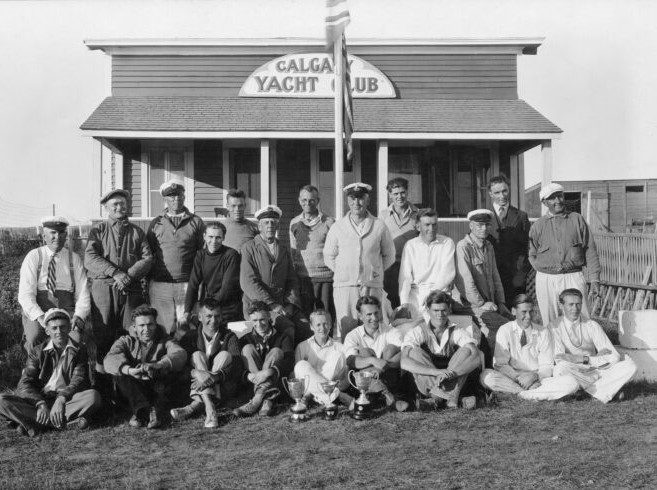
Back then, they launched evening windsurfer races every Tuesday and Thursday. The windsurfing school was run by Stephen Reichenfeld, a sailor and Commodore. In the late 1980s, he left his job to start a family.
Decline and revival of the club
In the 1990s, Commodore Keith Hern basically saved the CYC from bankruptcy, as without his efforts and precise administration, it might have ceased to exist. The Commodore was burning with the idea of reestablishing the moribund windsurfing school to attract new sailors.
The CYC was on the verge of collapse at that time. However, thanks to volunteers and voluntary contributions, it was gradually revitalized. Back then, the CYC Treasurer and Commodore Dave Dawson and Hobie 17 sailor Frank Stolbert worked at the Southern Alberta Institute of Technology and had access to large workshops. They, along with Keith Hern and Tim Hornett, renovated the clubhouse over several weekends.
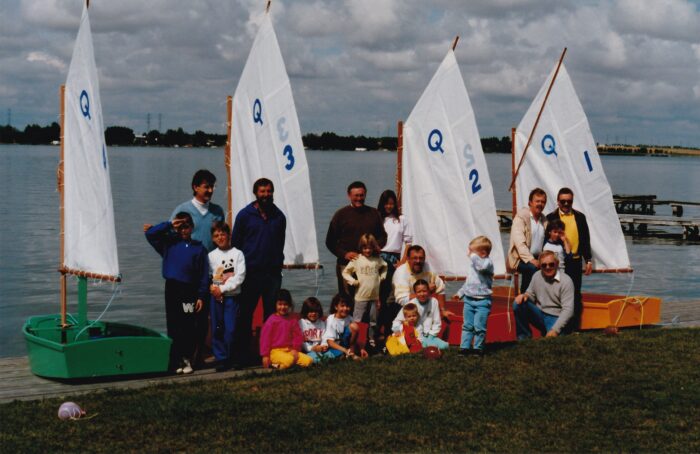
The club already had a Learn to Sail program in place by the spring of 1995. That year, they trained roughly 15 young people. That was a dawning of great things to happen. At about the same time, Dave Dawson launched the annual members’ trip to the Pacific West Coast. The group’s chartered keelboats and experienced participants guided the less experienced ones to sharpen their skills and navigate the challenging tides.
Financial success
Commodore Carsten Dahlberg, joined by Keith Hern, was essential in obtaining a gaming license for the AGLC (the Alberta government’s commercial company and agency that governs the province’s gambling, alcoholic beverage, and cannabis sectors) in the early 2000s. The CYC gained access to casino funding, which meant new revenue streams. These funds provided for the replacement of all dilapidated waterfront structures with docks.
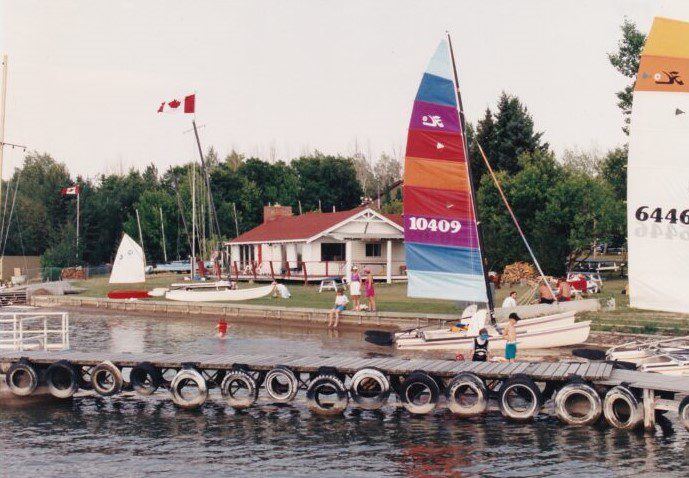
At that time, the CYC decided it could afford a manager to get the school up and running and establish a racing program. The Calgary Yacht Club was perhaps the first one in Alberta to have an in-house manager. From 2001 through 2005, the CYC had an estimated 35 members. Erik Tulk, one of them, went on to win the 2005 Laser Radial Canadian Youth Championship in New Brunswick.
The challenges came with finding coaches. However, afterward, it was still possible to involve an experienced coach from Manitoba, Steve McBride. Some coaches have been invited from the United Kingdom. With sound management and proven fundraising success, the club has made bank savings for future CYC members.
In 2005, Commodore Craig Narraway exempted the club from municipal property taxes under the Community Organization Property Tax Exemption Regulations (COPTER). The club applied back in 1999, but the local authority in Chestermere turned it down repeatedly. Craig wasn’t going to give up and, in 2005, won the case. As a result, it saved the club over 30 thousand dollars per year.
Another person who joined in helping to make the club financially sound was Bill Malloy, sailor and Commodore. He calculated all the necessary expenses.
Renewal and development
Stephen Reichenfeld, who previously ran the Windsurfing School, was supported by a hard-working and committed executive team and joined in developing the CYC. The design work was completed with the aid of a club member architect and volunteer inputs from zoning expert member Ralf Southwell.
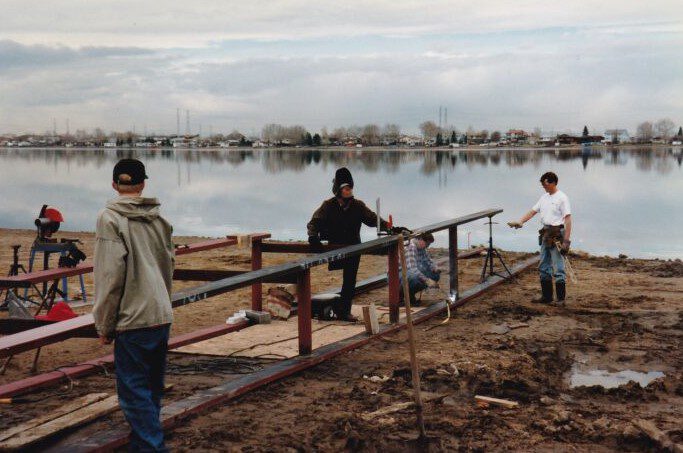
The CYC treasurer was Elinor Southwell. Under her leadership, the club accumulated over 500 thousand dollars and was able to finish construction and remain debt free. Phil Paxton led the construction and budget, along with securing a grant of 50 thousand dollars from the provincial government. He also contributed landscaping and obtained turf for the lakeside lawn through his business connections.
The unique Obsession Bar was designed and built by Brian Graham and Dave Martin with help from other members. In 2020, when the number of yacht club members increased significantly, a need arose for additional storage for boats and materials as well as a new workspace, which is why it was agreed they would demolish the shed. So it required several days of work and a lot of volunteers to clean up what was left of it.
In all, enthusiastic club members and sailors have missed only one Laser Masters World Championship in 20 years of the 21st century. Their vibrant spirit and dedication to their favorite cause deserve respect. They are serving as a perfect example for young people, proving that “Sport for Life” is more than just a striking slogan.
In addition to those mentioned, many additional people associated with the Calgary Yacht Club have contributed to the club’s popularity. For instance, these include Bill Mulloy, Dave Elliott, Lesley Reichenfeld, Mike Hooper, Phil Paxton and many others. Together, they laid the groundwork for the CYC that emerged in the 2020s.