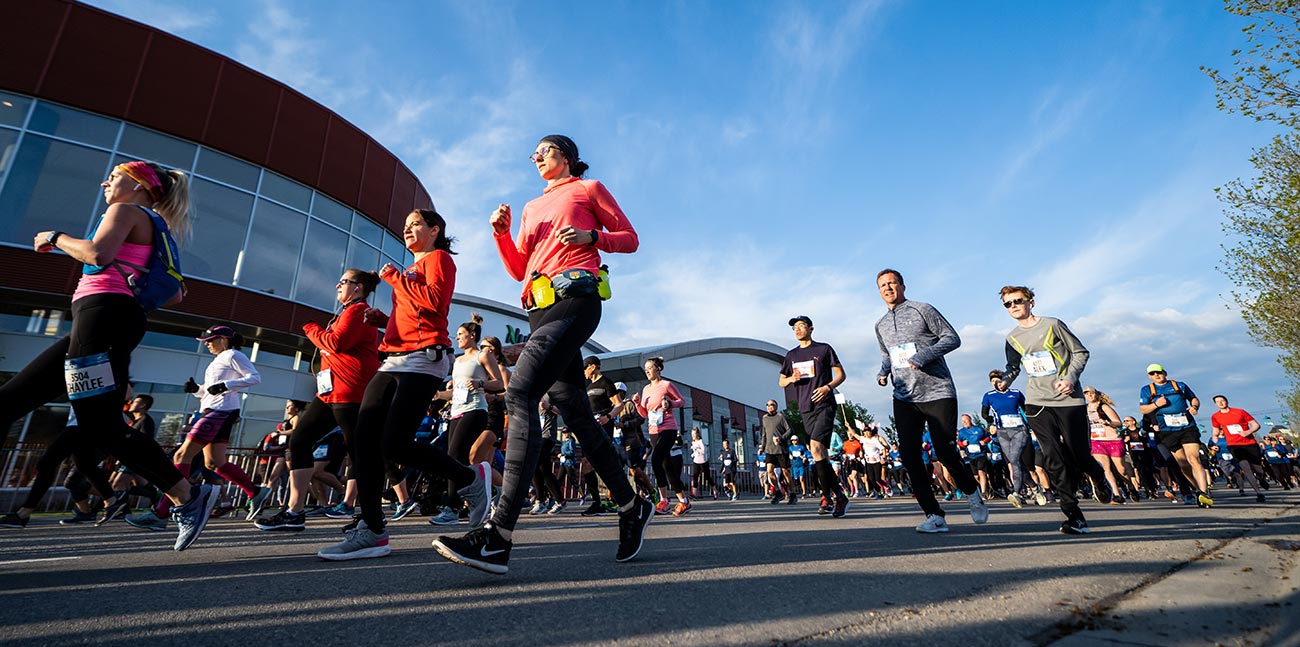

A Marathon race is a competition in distance running. The very name of the race is derived from the legend of the Ancient Greek warrior Phidippides, who, in 490 BC, ran from the settlement of Marathon to Athens to inform the population about the victory of the Greeks over the Persians in the Battle of Marathon.
The first such competition in our age occurred at the 1896 Olympic Games in Athens. The 40 km distance corresponded to the historical distance between Marathon and Athens. After that, the race distance was continuously changed until, in 1921, the distance of 42 km 195 m was approved as the official one. By 1963, Calgary had also hosted a marathon race. Learn more about the history of the race in this city further on icalgary.
First Calgary Marathon
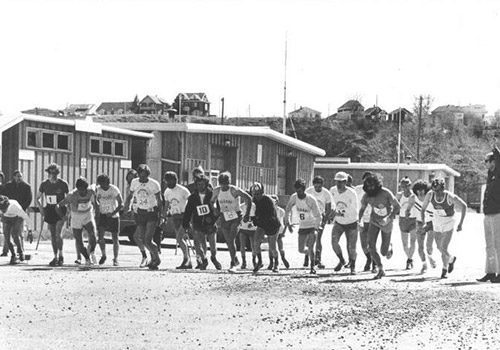
On August 10, 1963, 19 people lined up at Glenmore Stadium to run the very first marathon in Calgary and Western Canada.
Only 12 runners were able to complete the race, with competitors ranging from 17 to 38 years old in total. Ten drinking water stations were placed along the race route. Runners were given instructions and brief guidance at the starting line and were examined by a physician even before the start. Gordon Dixon, one of the athletes, was nearly disqualified because the physician was not a sports specialist and had not first familiarized himself with the physiological features required for long-distance running. Dixon’s pulse rate was too low, according to the physician, yet despite this, Dixon won the competition the following year.
Meanwhile, the first marathon in 1963 was won by 30-year-old Doug Kyle of Calgary. By the way, it was on his initiative that this race was organized. Back then, Doug was Canada’s fastest runner, representing Canada at the 1956 and 1960 Olympics in the 5 km and 10 km distances. He was reaching the end of his competitive career and chose to explore new challenges for himself. After finishing seventh in the 5 km and 10 km distances at the 1959 Pan American Games, he returned to Calgary and persuaded businessman Bill Willey to help organize the marathon. Together, they were able to get 19 participants.
Kyle’s goal was straightforward: to hold the 1964 Olympic athletics trials in Calgary. He realized that if they could complete the Calgary Marathon successfully, they could persuade amateur sports to have the Olympic trials in Calgary the following year. Kyle accomplished his goal and the trials were conducted the next year in Calgary as part of the second Calgary Marathon.
More marathons and female participation
During the 1960s, Calgary hosted four marathons featuring some of the country’s fastest men. The 1964 Calgary Marathon also served as the Canadian Olympic Trials Marathon.
The Calgary Marathon had already established itself as an annual event since 1971. However, the most significant event in the 1970s was the female participation in the competition. In 1975, 41-year-old Carmen Robinson of Banff became the first female winner of the Calgary Marathon in 1975. Cathy Broderick finished second, only 40 minutes behind Robinson. These two females were also among the first females in Western Canada to run a marathon.
Before the early 1970s, society assumed females could not run long distances. However, with hard work and the shining examples of Carmen Robinson and Cathy Broderick, the fairer sex has demonstrated that they can compete on an equal footing with males just a few years later.
The 1980s saw a slew of female champions. Lorna Hawley of Calgary made it five straight wins in a decade in the women’s division. She remained undefeated for another four years. Her fastest race was in 1984.
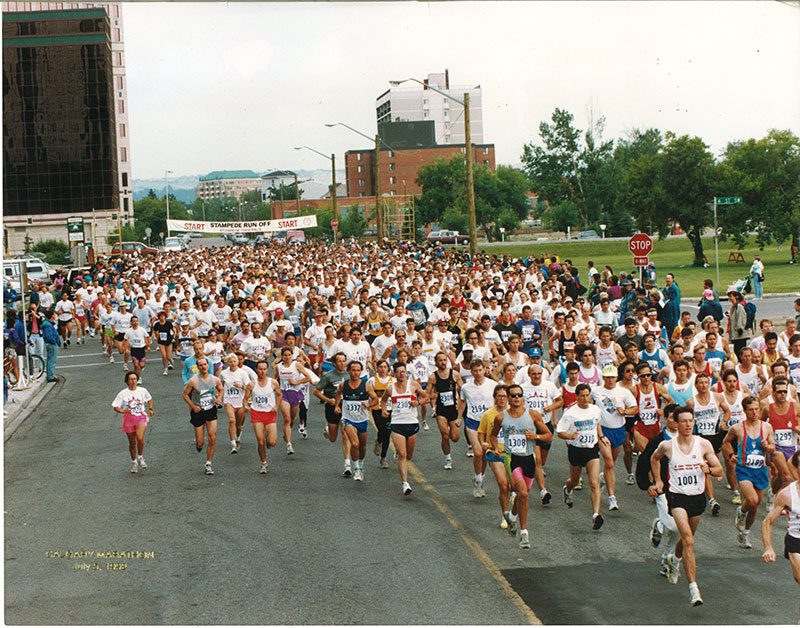
Traditionally, the marathon was held in May, but in 1989, it was moved to July to coincide with the fourth Stampede 10 km race. For almost ten years, the marathon has included the famous Stampede Breakfast as part of the Calgary Stampede rodeo festival. In 1989, the Calgary Marathon celebrated its 25th anniversary.
New records and the establishment of prizes
The 1990s saw many new records set. Kelvin Broad had run his first Calgary Marathon in 1991, setting a record that held until 2012 when Benard Onsare broke it by a minute faster. In addition, it was the first year in which rewards were introduced for the top athletes. For instance, the same Broad received 500 dollars for his efforts. He went on to win every Calgary Marathon he participated in.
Claire Kroshus set the female record in 1990 and has held the garland of victory for a long time since.
In the early 1990s, the Alberta Children’s Hospital Foundation and the Calgary Marathon launched a long-term cooperation. At that point, the marathon’s name was changed to the Stampede Run-Off, including the marathon itself, plus the 10 km and the Mayor’s 3 km fun runs.
In the same decade, the race finish line has been shifted three times, from Eau Claire to Mewata Stadium and ultimately to Fort Calgary.
There were also some remarkable runners in the history of the Calgary Marathon in the 1995 race, during which 69-year-old Wally Herman of Ottawa ran his 441st marathon and 74-year-old Don McNally of Rochester, N.Y., ran his 431st.
Scaling the marathon
Back in 2000, it poured heavy rain throughout the race and the temperature was only +3°C. The runners wore plastic garbage bags to stay dry. The following year, the temperature reached +30 °C, but the runners still performed well.
In 2006, HSBC, a British universal bank and financial services group, became the new title sponsor of the Calgary Marathon. In 2010, Scotiabank took over as title sponsor and launched the Scotiabank Charity Challenge, an initiative to raise funds for charity throughout the marathon. The initiative helped the event to grow and attract more runners who wanted to support a good cause.
For two years, the event was held in Bridgeland on the site of a former hospital, but after a while, the field was ruined, resulting in the search for a new location. In 2011, the start and finish of the race were shifted to Stampede Park, with even a redesign of the race course for this purpose. The total number of participants reached 10 thousand in 2012.
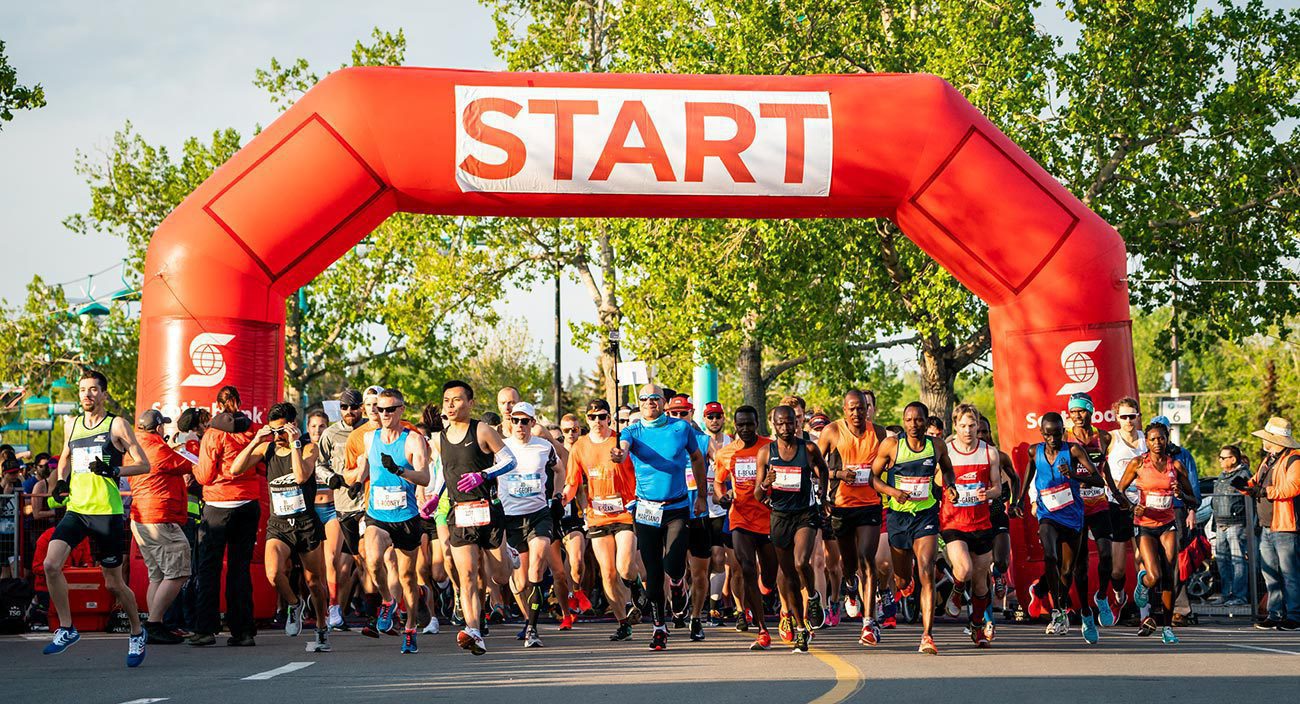
In 2014, a record 15 thousand people joined the event to celebrate the 50th anniversary of Canada’s longest marathon, including 500 runners competing in the first ever 50 km Ultra marathon.
Response to the pandemic
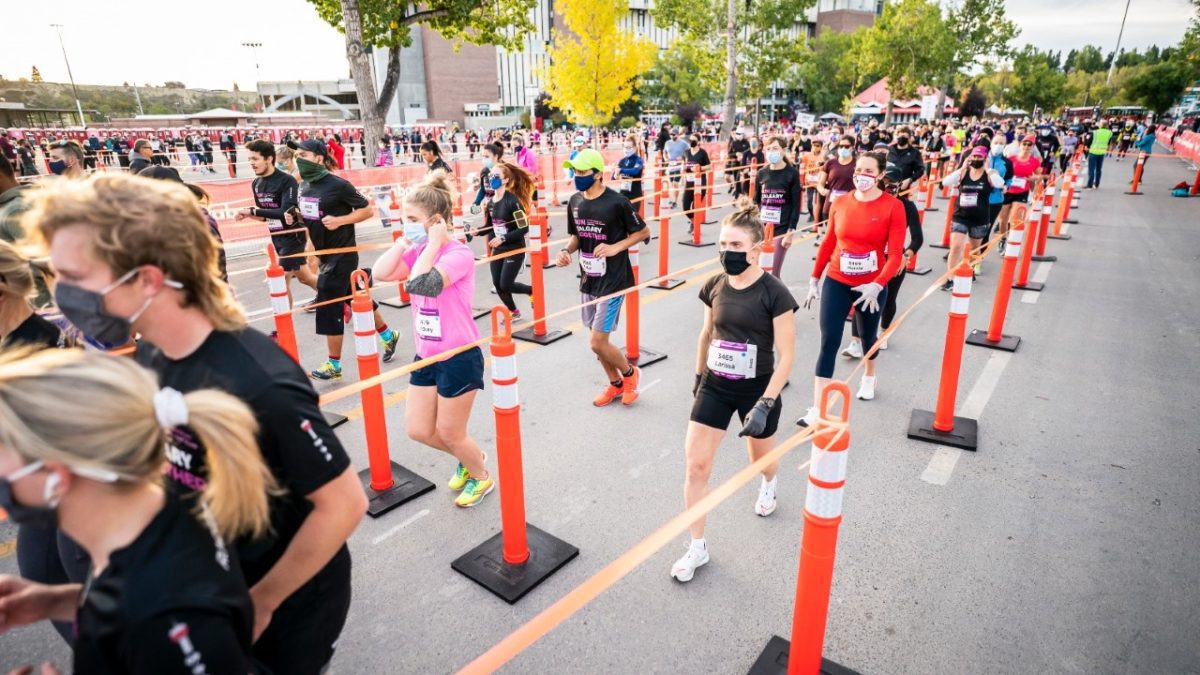
When the COVID-19 pandemic broke out in 2020, the Run Calgary team was forced to postpone and eventually cancel the marathon. The entire mass event industry was shut down, so the actual race was replaced by virtual ones.
The Scotiabank sponsorship ended in 2021. Back then, the event was held in the autumn instead of the spring. The event gathered 5,029 people, of which over one thousand participated virtually. The government of Alberta declared a state of emergency on the Wednesday before the event, threatening to cancel the event despite all preparations. However, four days later, the marathon was successfully started. On September 19, 2021, the Calgary Marathon became the biggest scale race since the pandemic outbreak.
For 2022, the marathon got a new major sponsor, Servus Credit Union. The race itself was moved to the last Sunday in May.
To recap, forming as one man’s dream, the Calgary Marathon has grown into a significant sporting event that has brought victory and recognition to many track and field athletes while improving the reputation of the city itself as well.