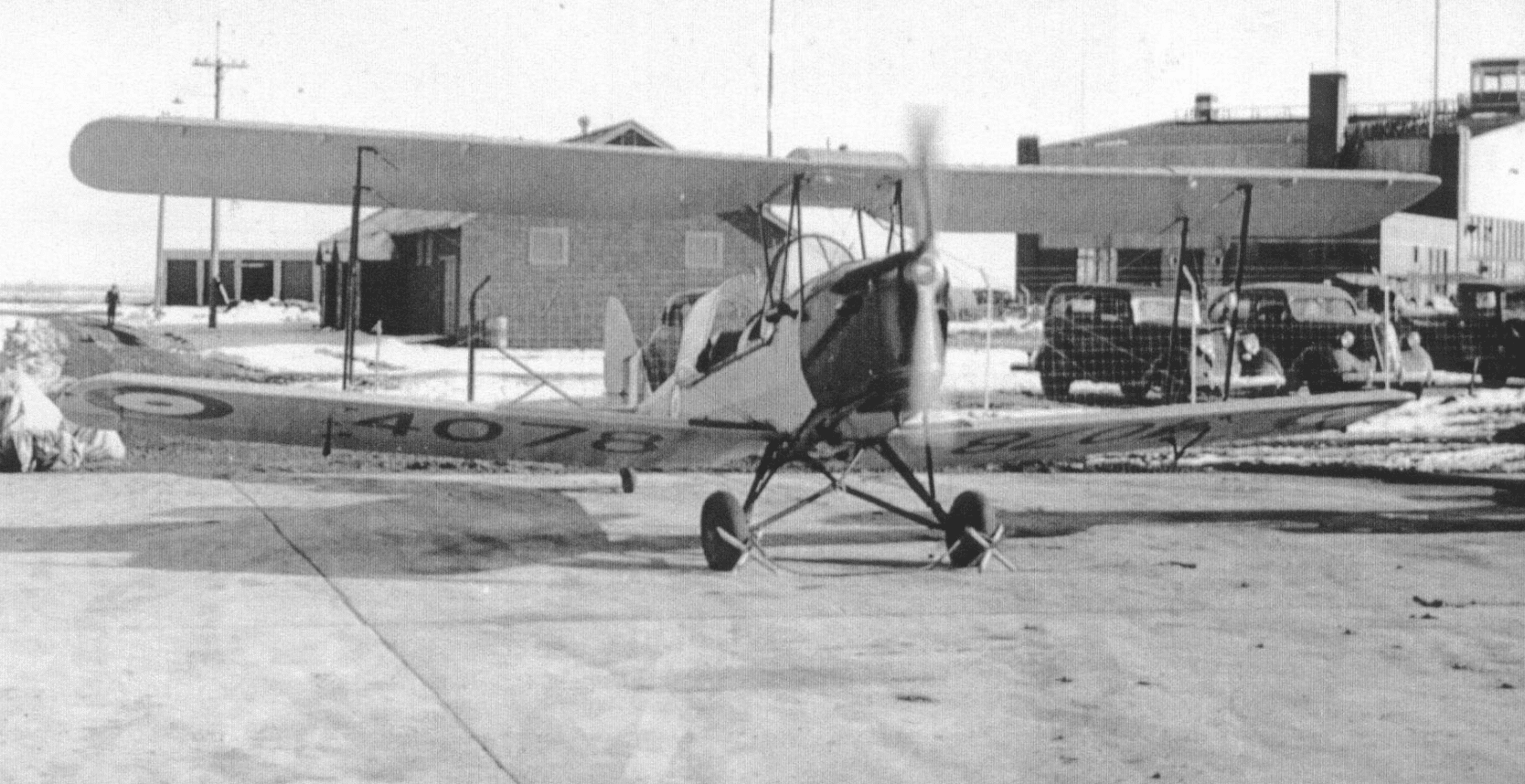

Since 1927, the Calgary Flying Club (CFC), a non-profit organization, has provided aviators with a wide range of training, aircraft access, plus educational and social activities. Springbank Airport is where the club is located. CFC operates a professional flight training school that prepares private pilots for licensure. The club’s history, from its inception until the end of World War II, is further at icalgary.
Founded by enthusiasts
On November 1, 1927, 6 months after American pilot Charles Lindbergh made the first solo aircraft flight over the Atlantic Ocean, over a hundred aviation enthusiasts gathered in Calgary to form an organization for pilots. They named the organization the Calgary Aero Club (renamed the Calgary Flying Club in 1946).
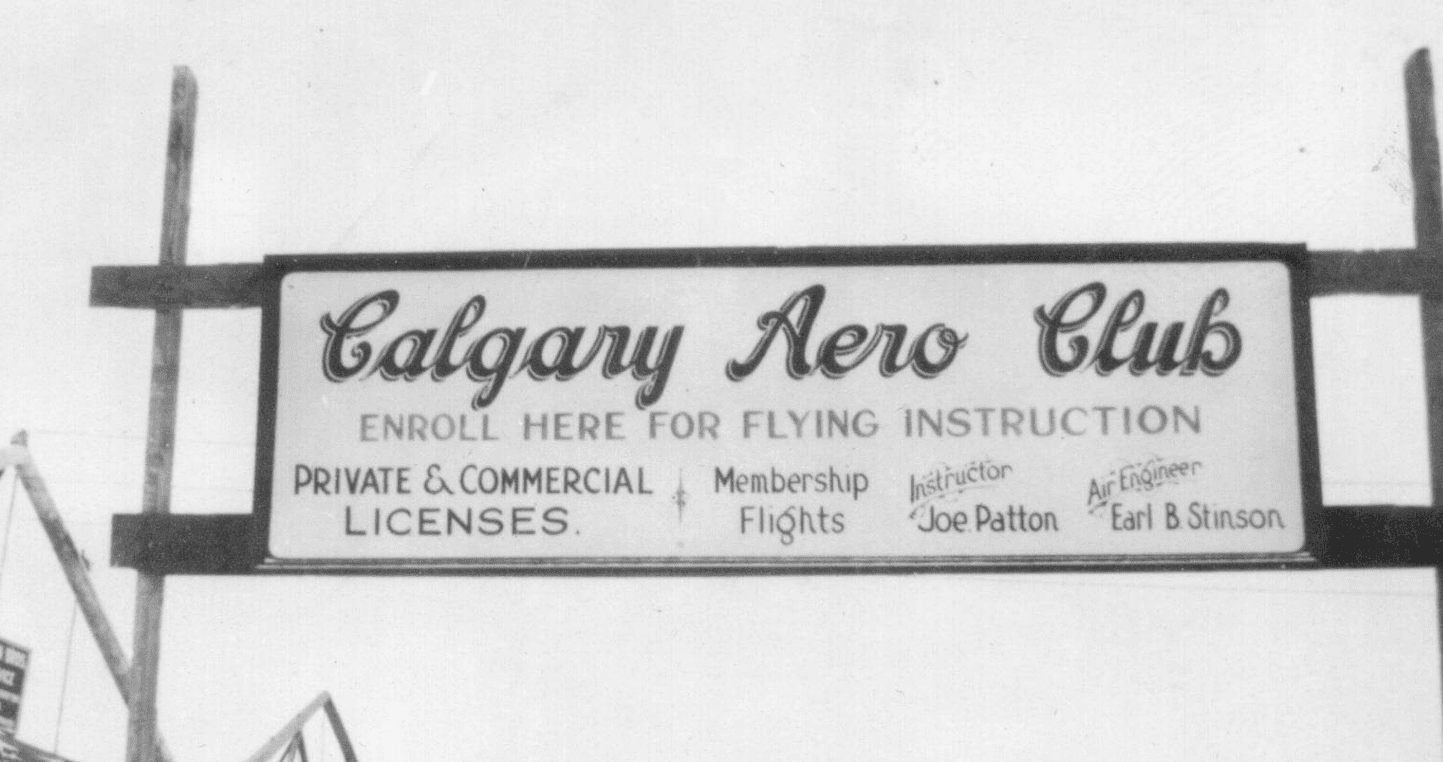
Financial support was provided by the Department of National Defense. Canadian officials realized after World War I that the military would require a base of qualified pilots in the future. In 1926, the department announced it would provide two free aircraft to an aero club that met specific criteria. Among other things, there had to be an airfield to fly on and at least 30 members willing to become qualified pilots. The Calgary Aero Club met these requirements. The Department agreed to allocate 100 dollars to the club for each pilot certificate issued and 3 dollars per hour of flying time spent on training.
The first meeting of the newly formed flying club was held on November 1, 1927. Fred R. McCall was elected president. On the first evening, 98 people joined the organization, of which 56 were willing to be trained. The Calgary Herald newspaper wrote about the club as “one of the most enthusiastic ever held as an organization venture ever founded in Calgary.”
Training began
Training began on November 15 at Fire Hall No. 1. A person had to pay 15 dollars for the 25 lectures plus 150 dollars for a private pilot’s license. Although those were substantial amounts of money at that time, the club was able to attract 100 students. The club was formally registered on December 1, 1927.
CFC did not obtain planes until September 1928 since the club could not find a qualified instructor pilot until then. Eventually, Bill Rutledge was hired. It was September 19, 1928, when the club first launched flights, followed ten days later by the first air show in Calgary.
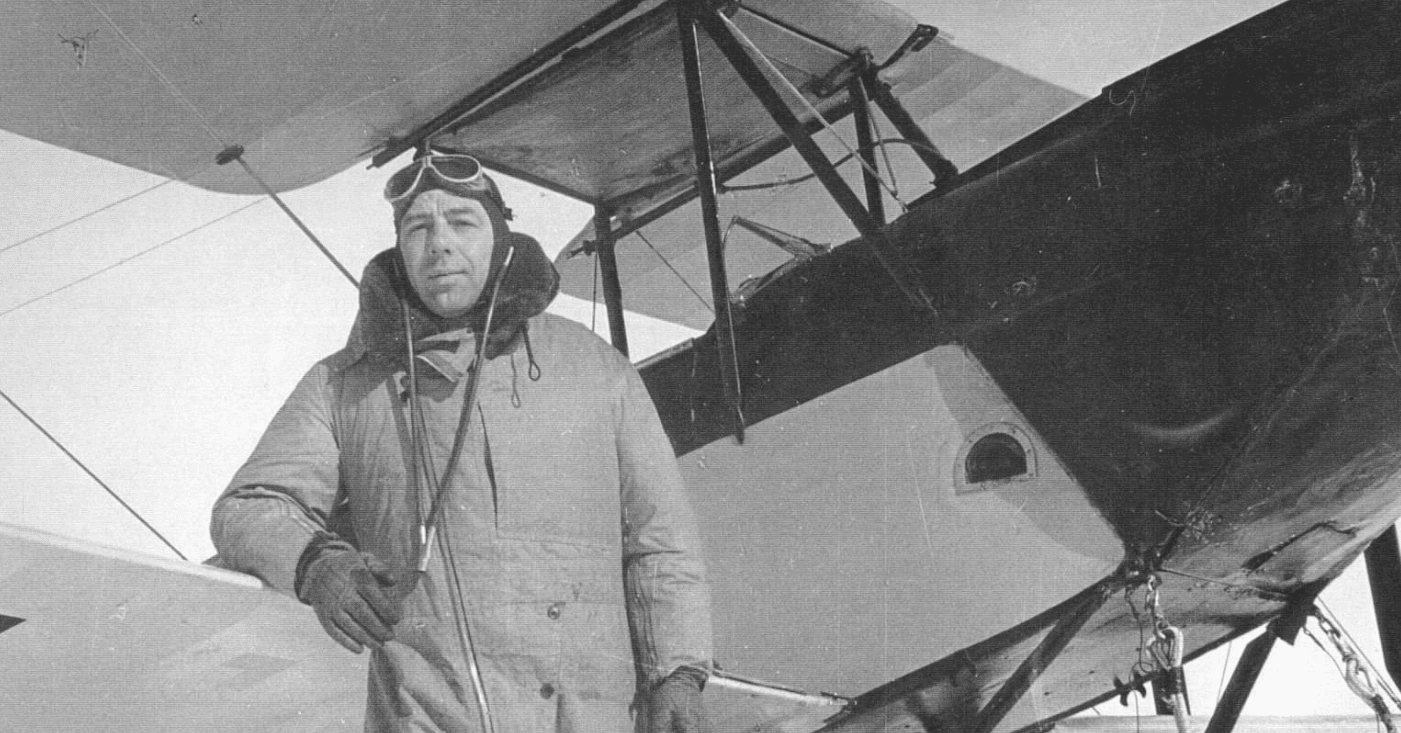
By the end of 1928, the club had trained nine private pilots and one commercial pilot. The number of trainees at that time was already 310. The choice of airfields posed some challenges. In particular, the Banff Coach Road airfield was hampered by gusty winds and rocky ground. Then it was decided to relocate the club to the new municipal airport near Stanley Jones School (about a mile northeast of downtown Calgary). In November 1928, the first female pilot in Alberta was privately licensed here.
The following year the club numbered 1,060 members and became the largest flying club in Canada and the second largest in the British Empire. At the same time, it started publishing Slipstream magazine.
A streak of bad luck
In July 1929, the first pilot instructor, Bill Rutledge, quit his job to start his own company. Along with Bill left an assistant instructor, an aeronautical engineer and an apprentice engineer. Due to a significant reduction in staff, the club had to cease its flights until August 9. Later on, Joe Patton took over for Bill. In September, CFC was relocated to the new Municipal airport.
The club faced difficulties throughout the 1930s due to the Great Depression. Some members have urged for the sale of all assets. However, following numerous disputes, it decided that the club would continue to teach flying.
On March 9, 1930, the Curtis C-1 Robin aircraft got extensive damage while the student pilot, Bill Smith, was seriously injured. On July 22, the G-CAKQ aircraft got damaged to the point that it was beyond repair. These two aircraft were the only ones at the club, so CFC had to suspend operations.
The flights were resumed in July 1932, with George Clark becoming chief instructor and aircraft engineer. By the following year, the demand for training had increased so much that another aircraft was required. Once again, it was provided by the Department of National Defense.
Service during the war
In the second half of the 1930s, the economy in the country got off to a better start. In 1936, CFC had already begun offering Blind Flight training using the new aircraft. In the summer before World War II, the club entered into a contract to train pilots for the Royal Canadian Air Force.
In August 1940, the club shifted staff to Lethbridge to operate the No. 5 Elementary Flight Training School (EFTS) under the British Commonwealth Air Training Plan.
After the outbreak of war, the club premises, aircraft and staff were transferred to Air Force service as planned. At Kenyon Field (which later housed the Lethbridge Airport) on July 29, 1940, 9 instructors began training 24 students to fly.
Living conditions in EFTS were rough. Instead of furniture, there were empty nail barrels and fruit crates, plus they had no showers of their own, so they utilized those of one of the neighboring airlines. However, the living conditions of the pilots were not the only issue. The high winds typical of Lethbridge made it difficult to fly the light biplanes used for training.
In the 1930s, the airport in Lethbridge was the primary airport for combat operations across the country, as the cargo aircraft of that time did not have the range needed to reach Calgary.
It is important to note that during World War II, pilot casualties were recorded not only in the skies over Europe and Asia. Some flight school instructors and students were killed or seriously injured in crashes.
A new chapter in the club’s history
On June 28, 1941, EFTS was moved to a new base near the town of High River to avoid high wind conditions. That’s when a new chapter in the club’s history began. However, living conditions in the High River were equally challenging. With construction and hard surfaced roads completed, the school formally opened on September 23. Its opening was celebrated with an airshow.
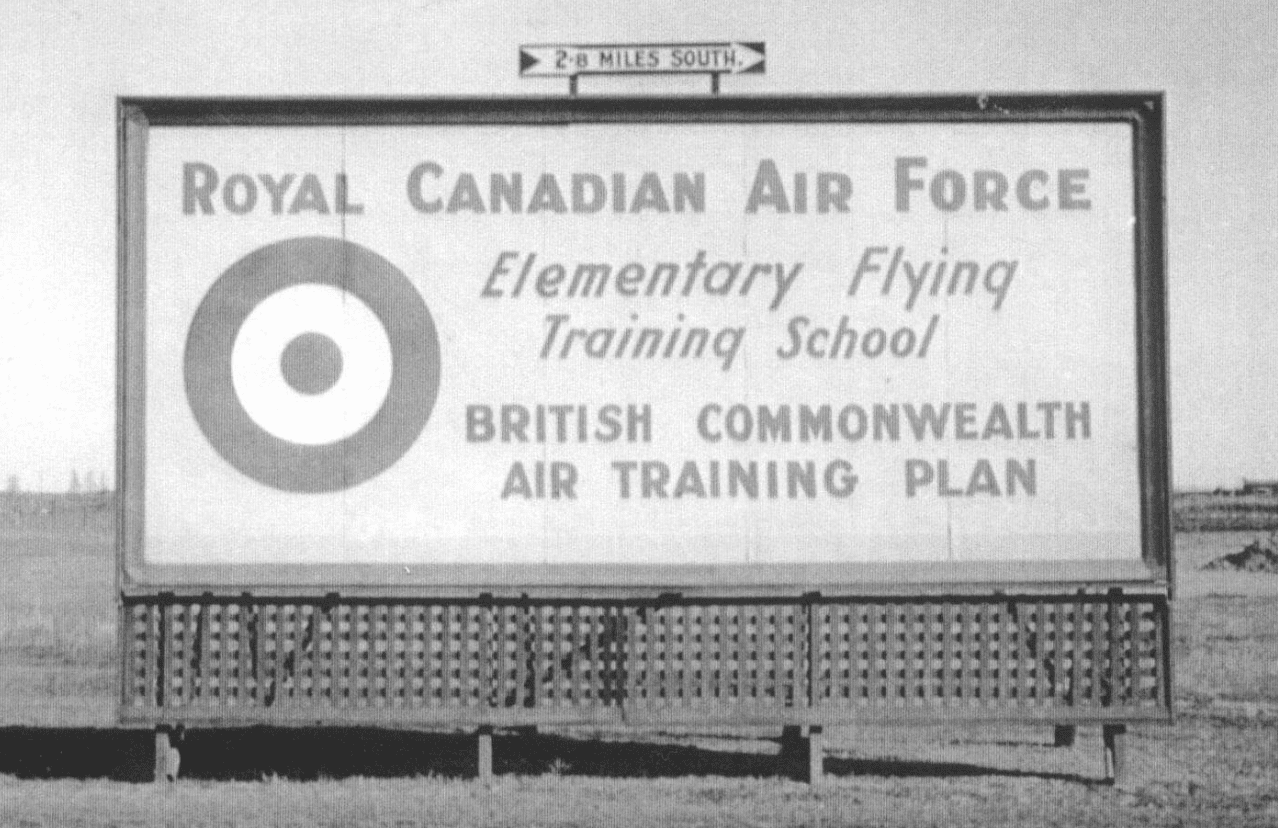
In 1942, student Bill Smith was promoted to staff commander. In January, the school was inspected by the President of the Canadian Aero Club Association and later by the Air Vice-Marshal. The number of instructors themselves has increased. Among the staff, the first woman appeared.
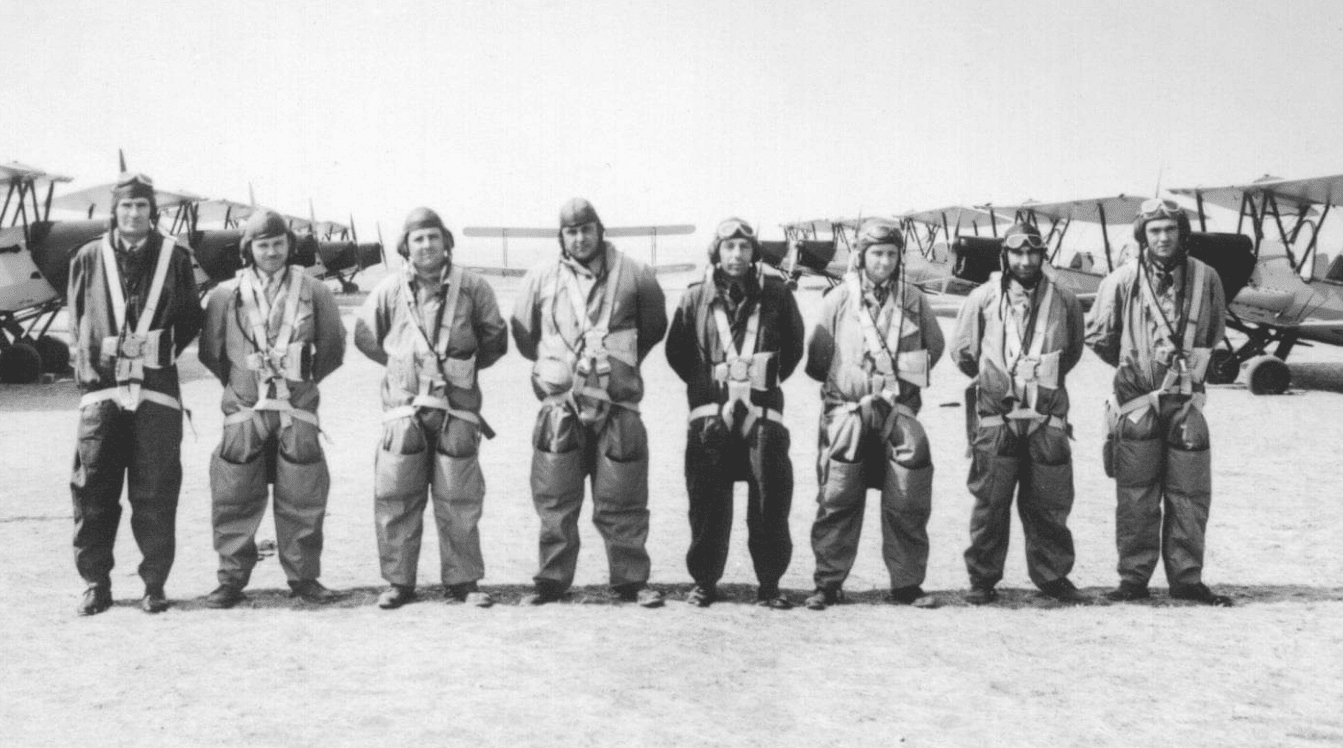
Instructors of the EFTS No. 5
High River experienced severe flooding in the spring. At that time, the school staff joined in helping the town by making airborne drinking water supplies for civilians who found themselves in isolation. The south side of the airfield was flooded, with the upper part of the airfield rendered unusable.
Another unfortunate event occurred that same year when a drunk control room operator sent a message that EFTS was being attacked by the Japanese. Such a report caused a tremendous stir, although it was erroneous. The next day the operator was fired. Ironically, Alberta was still eventually attacked by the Japanese, though not in the traditional sense. The Japanese placed explosives under balloons and flew over the North Pacific. Several bombs landed in North America, one of them near EFTS. The staff managed to find it in time and neutralize it. This event was not told to civilians so as not to sow panic.
In March 1944, EFTS No. 5 was shut down. The club used High River as a base of operations until the end of the war and, for the safety of the residents, still remained in town until the late 1940s. In 1946, the club changed its name to the Calgary Flying Club.